
The word "needling" does a lot of heavy lifting when it comes to putting people off this treatment. You imagine dozens of tiny needles puncturing your face and instinctively wince. But the reality of a professional microneedling session is considerably less dramatic than the name suggests, and overwhelmingly, clients tell us it was far more comfortable than they expected. If the question "is microneedling painful?" has been sitting between you and a booking, let us walk you through what to expect.
How Numbing Cream Changes Everything
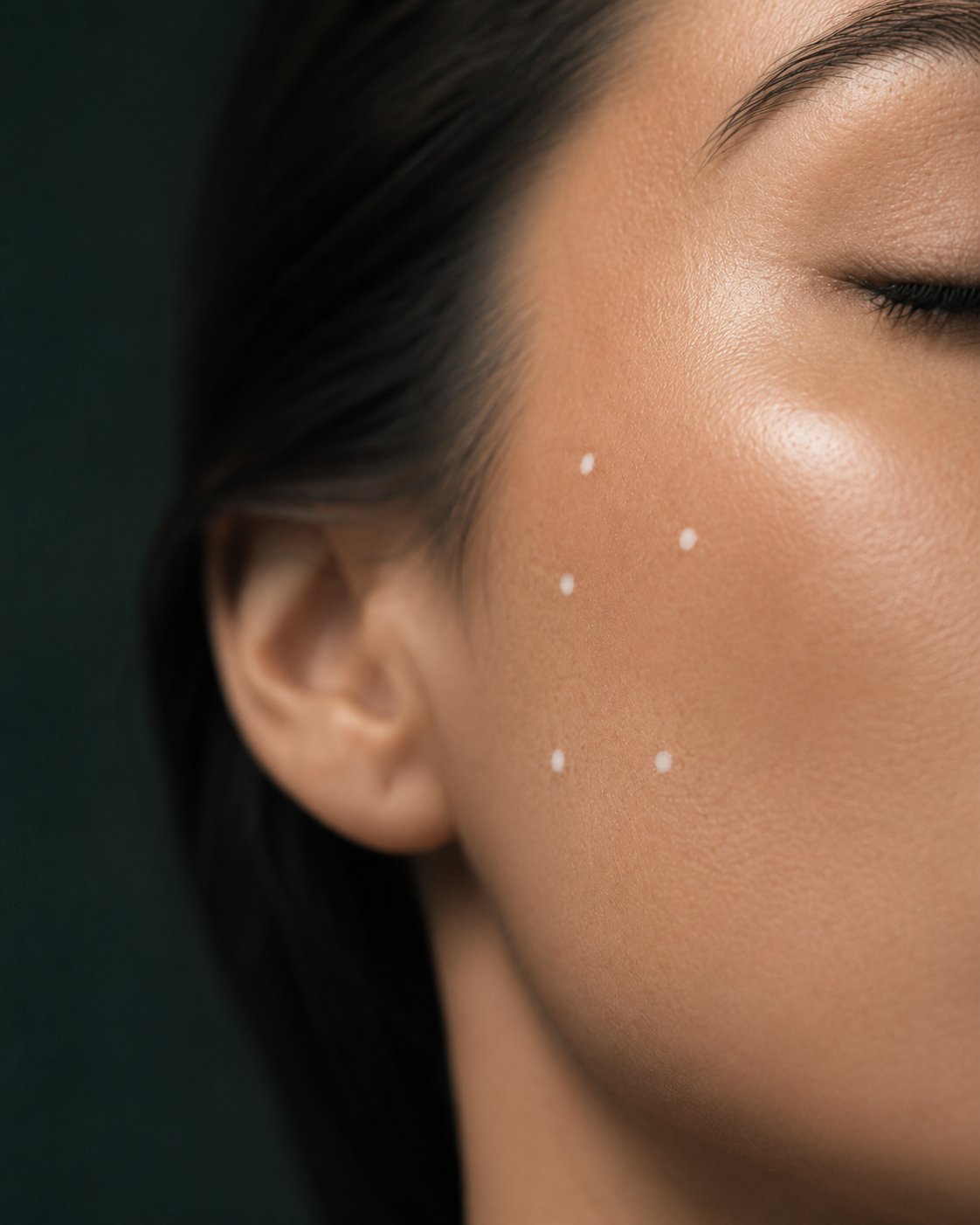
The single most important factor in microneedling comfort is the topical anaesthetic applied before the procedure begins. At Éclat & Harmonie Clinic Studio, we apply a medical-grade numbing cream to the treatment area approximately thirty to forty-five minutes before microneedling starts. This cream contains a local anaesthetic, typically a combination of lidocaine and prilocaine, that significantly dulls sensation across the skin's surface.
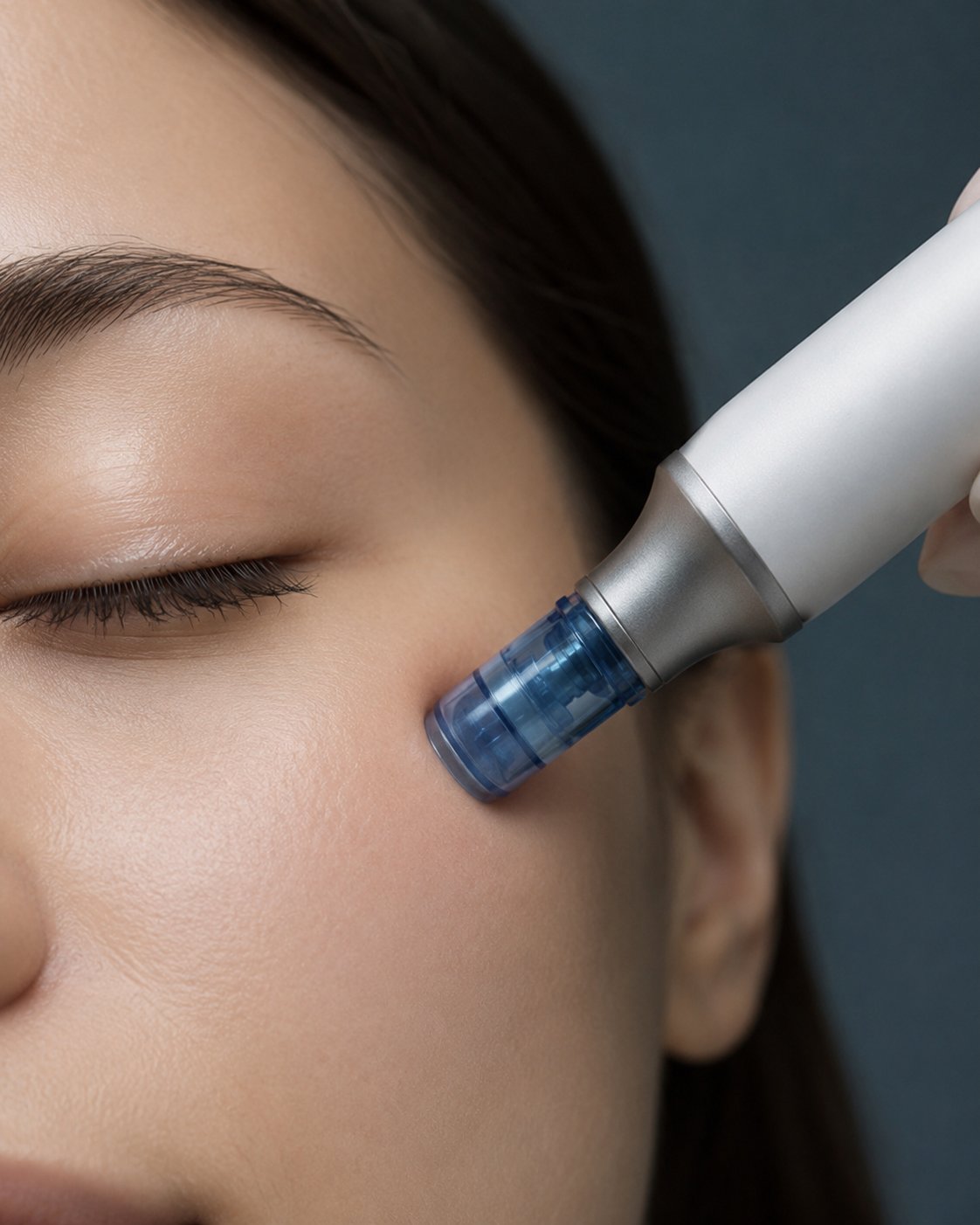
By the time the numbing cream has taken full effect, the outer layers of the skin have lost most of their sensitivity. The fine needles used in the device are penetrating to a controlled depth, typically between 0.5mm and 2.5mm depending on the area and the concern being treated, and the numbing cream ensures that this penetration is felt as pressure or vibration rather than sharp pain.
Some clients describe a very mild prickling sensation, comparable to light sandpaper being moved across the skin, but the majority report that the discomfort is minimal and entirely manageable. It is worth remembering that microneedling devices used in professional settings are purpose-built for precision and speed, creating micro-channels rapidly and consistently in a way that minimises trauma to the surrounding tissue.
What Does Microneedling Actually Feel Like?
The honest answer is that it depends on the area being treated, your individual pain threshold, and the needle depth being used. But here is a realistic guide to the sensations most clients report.
Cheeks and mid-face. This is generally the most comfortable area to treat. The skin here has good cushioning from the underlying fat pad, and most clients describe the sensation as a light buzzing or vibration. With effective numbing, many people find this area virtually painless.
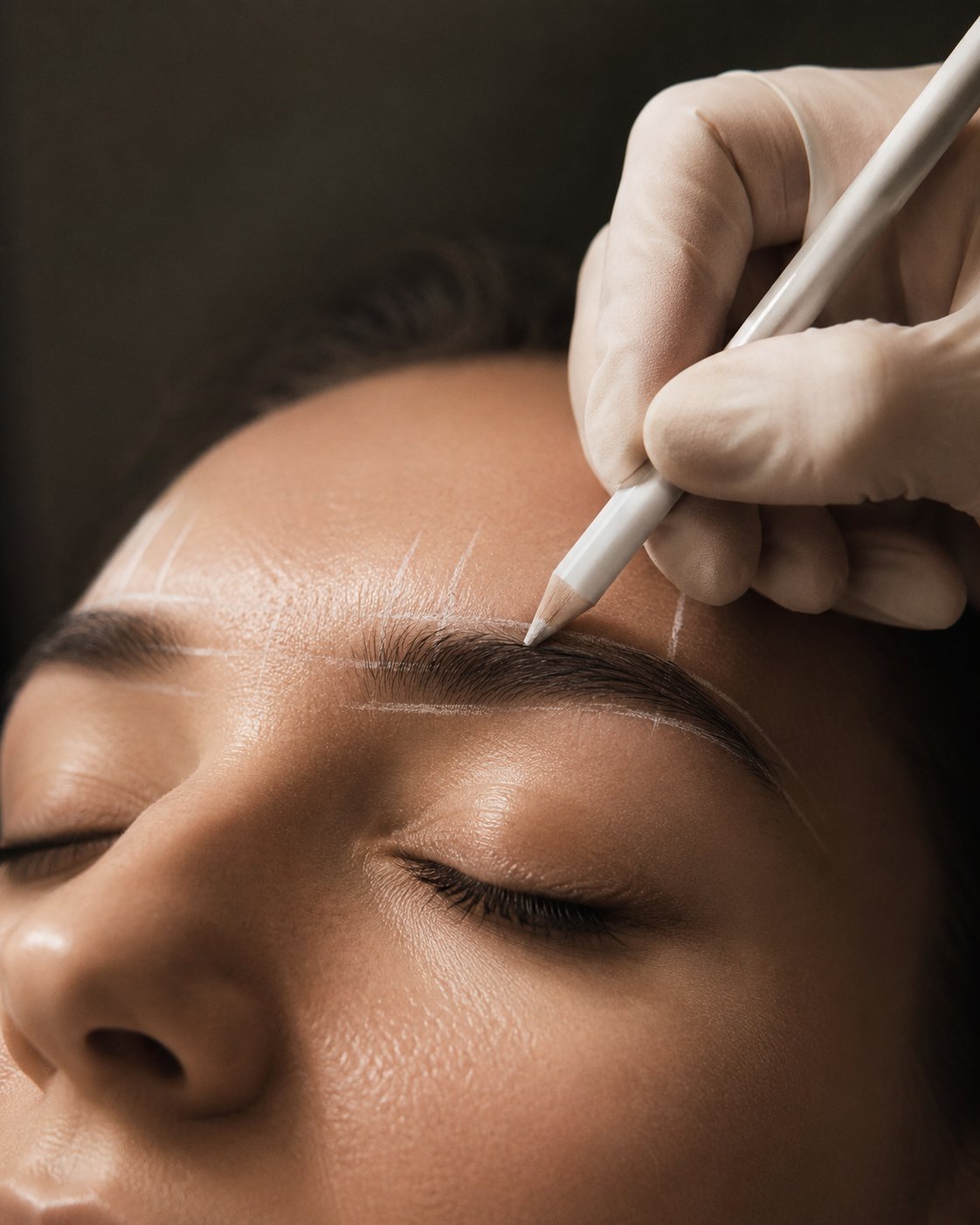
Forehead. Slightly more sensitive than the cheeks because the skin sits closer to the bone, with less subcutaneous tissue to cushion the sensation. Most clients describe a mild prickling feeling, occasionally accompanied by a slight warmth. Still well within comfortable limits for the vast majority of people.
Nose and around the nostrils. The nose tends to be one of the more sensitive areas due to thinner skin and more nerve endings. The sensation here can feel sharper, though it is brief, as the nose is a small area, so it is treated quickly.
Upper lip and chin. The perioral area (around the mouth) has a higher density of nerve endings, making it slightly more sensitive. Some clients feel a mild stinging here, though the numbing cream still takes the edge off considerably.
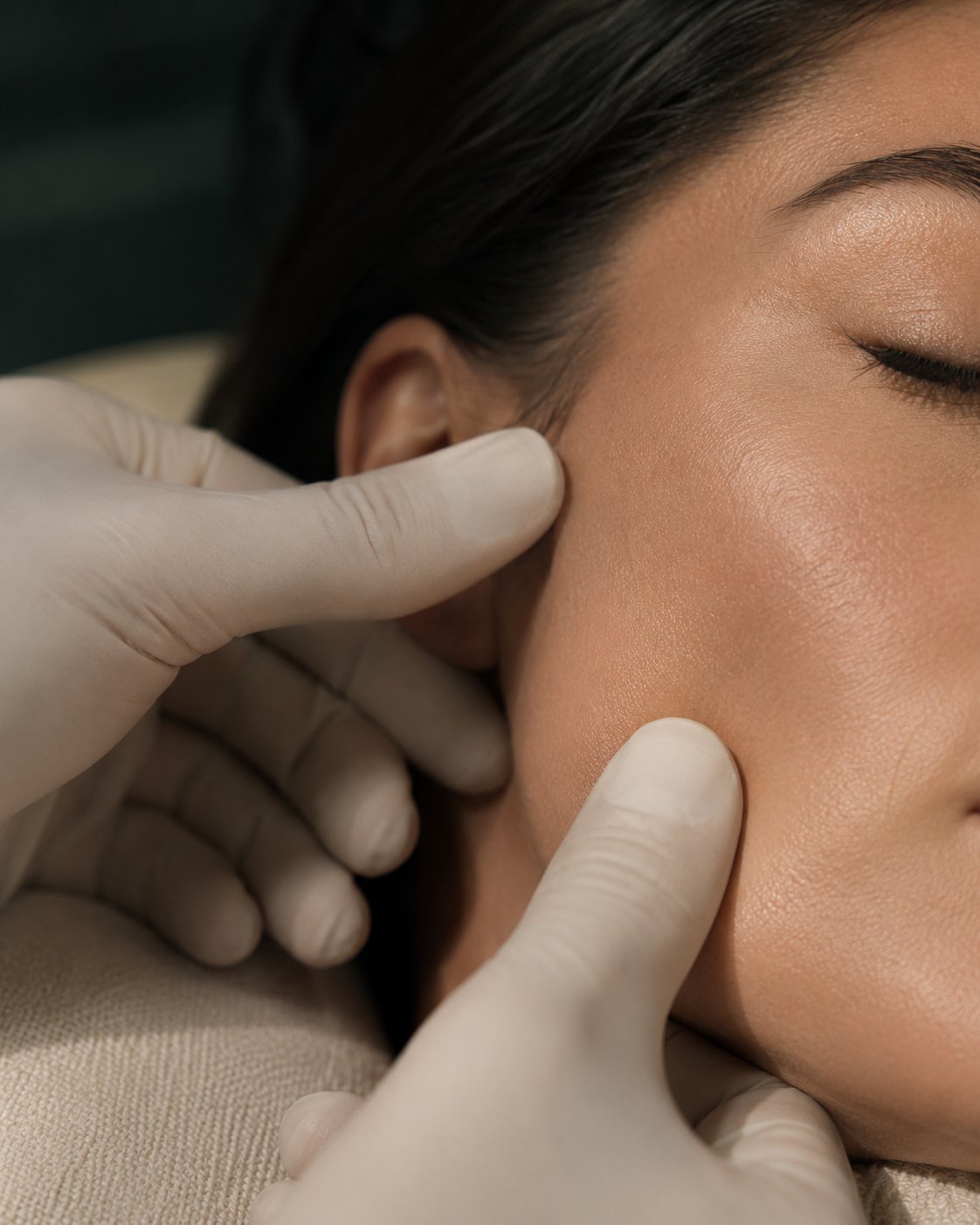
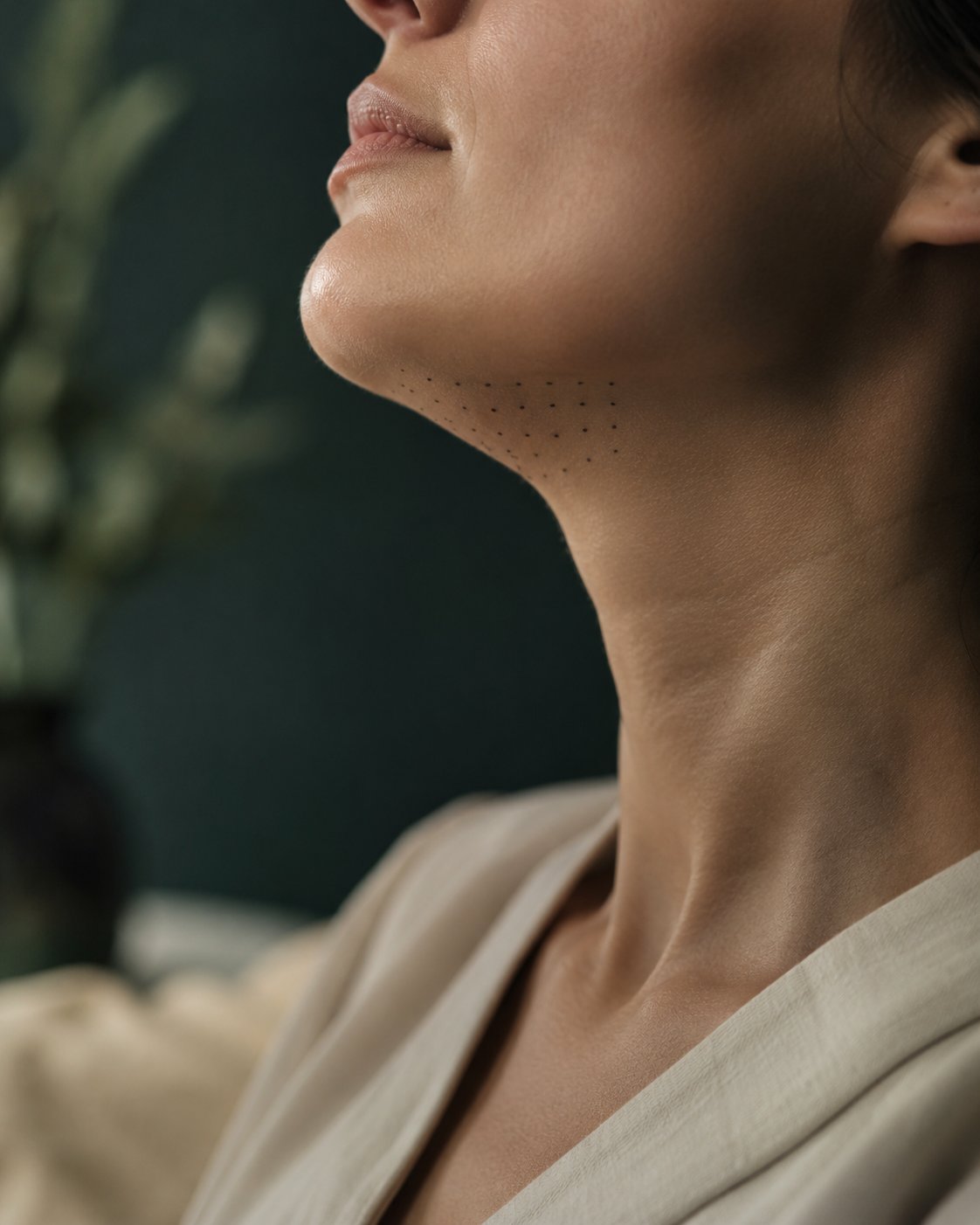
Jawline and neck. The neck can be more sensitive than the face for some clients, partly because the skin is thinner and partly because it is an area people do not often touch or stimulate. However, with appropriate numbing and a lighter needle depth, it remains comfortable for most.
Putting It on the Pain Scale
If you have experienced other aesthetic or cosmetic treatments, the following comparisons may be helpful.
Microneedling is generally considered less uncomfortable than laser treatments, chemical peels at deeper depths, or tattoo removal. It is comparable to or slightly less intense than an eyebrow wax or a vigorous facial extraction. Most clients rate it somewhere between two and four on a ten-point pain scale, firmly in the "noticeable but manageable" range.
For context, the majority of people who express significant anxiety before their first microneedling session at our Kentish Town clinic tell us afterwards that the anticipation was far worse than the reality. The fear of microneedling pain is almost always disproportionate to the actual experience.
What Happens During and After the Treatment
A typical professional microneedling session lasts between thirty and sixty minutes, depending on the size of the treatment area and whether additional serums or growth factors are being applied alongside the needling.
During the session, the practitioner moves the microneedling device across the skin in a systematic pattern, ensuring even coverage. You may notice a warm, flushed feeling developing as the treatment progresses. This is completely normal and indicates that the skin's natural healing response has been activated. Blood flow to the treated area increases, bringing growth factors and immune cells to begin the repair process that produces collagen.
Immediately after treatment, the skin typically looks red and flushed, similar to moderate sunburn. This redness usually begins to subside within a few hours, though it may persist for twenty-four to forty-eight hours depending on the intensity of the session and your skin's sensitivity. Some clients experience mild tightness, warmth, or a sensation similar to light sunburn during this period.
Minor pinpoint bleeding during the treatment itself is normal, particularly at deeper needle depths. This resolves very quickly and is simply a sign that the needles have reached the appropriate depth to stimulate a meaningful collagen response.
How to Prepare for Maximum Comfort
There are several things you can do before your appointment to help ensure your microneedling session is as comfortable as possible.
Stay hydrated. Well-hydrated skin tends to respond better to topical anaesthetics and may be slightly less sensitive during treatment.
Avoid retinoids and active acids. Discontinue retinol, glycolic acid, salicylic acid, and other potent actives for at least three to five days before your appointment. These can thin the skin's protective barrier and increase sensitivity.
Arrive with clean skin. Remove all makeup, sunscreen, and skincare products before your appointment, or arrive bare-faced so that the numbing cream can be applied directly to clean skin for maximum absorption.
Communicate with your practitioner. If you are feeling anxious or experiencing discomfort during the session, say so. The needle depth and pressure can be adjusted in real time, and no responsible practitioner would want you to suffer in silence.
Is Microneedling Worth the Mild Discomfort?
For the vast majority of clients, the answer is a resounding yes. Microneedling can help improve skin texture, reduce the appearance of fine lines, minimise pore size, and address concerns such as acne scarring and uneven skin tone. It stimulates the skin's own collagen production, making it one of the most natural approaches to skin rejuvenation available.
At Éclat & Harmonie Clinic Studio in London NW5, we have seen clients who were genuinely nervous before their first session go on to make microneedling a regular part of their skincare routine, precisely because the discomfort is so much less than they feared and the results speak for themselves.
If the question "is microneedling painful?" has been your barrier, we hope this has put your mind at rest. The best way to find out is to experience it for yourself, and we promise to make it as comfortable as possible.
Book your microneedling consultation and discover what this treatment can do for your skin.
All treatments administered by qualified, registered practitioners.