
You eat well, you exercise regularly, and yet there it is: that stubborn pocket of fullness under the chin, that softness along the jawline that refuses to shift no matter what you do. You are far from alone. Genetics play a significant role in where our bodies store fat, and some deposits simply do not respond to lifestyle changes. This is precisely where lipolysis can help.
What Is Lipolysis?
Lipolysis is a non-surgical fat reduction treatment designed to target and reduce localised pockets of stubborn fat. The term itself refers to the biological process of breaking down fat cells, and injectable lipolysis harnesses this process in a controlled, targeted manner.
The treatment involves the injection of a specially formulated solution into the subcutaneous fat layer beneath the skin. This solution contains active ingredients, most commonly deoxycholic acid (a substance that occurs naturally in the body to aid fat absorption), which disrupts the membrane of fat cells in the treated area. Once the cell membrane is compromised, the fat cell is permanently destroyed and its contents are gradually processed and eliminated by the body's lymphatic system over the following weeks.
It is important to understand that lipolysis is not a weight loss treatment. It is a body contouring procedure designed to refine and sculpt areas where small, stubborn fat deposits resist diet and exercise. The ideal candidate is someone at or near their target weight who wishes to address specific areas of localised fullness.
How Does Injectable Lipolysis Work?
The science behind injectable lipolysis is well established. Deoxycholic acid, the primary active ingredient in most lipolysis formulations, is a bile acid that the body naturally produces in the digestive system to break down dietary fat. When injected directly into a fat deposit, it performs the same function on a localised scale.
Upon injection, the solution begins to break down the walls of adipocytes (fat cells) in the treatment area. This triggers a controlled inflammatory response. The body recognises the disrupted cells and deploys its natural clearing mechanisms to process and remove the cellular debris. Over the following four to six weeks, the treated fat is gradually metabolised and excreted through the body's normal waste pathways.
The key advantage of this mechanism is permanence. Unlike diet, which shrinks fat cells but does not eliminate them (meaning they can refill), lipolysis permanently destroys the treated fat cells. Once they are gone, they do not regenerate. This means that, provided you maintain a stable weight, the results of lipolysis can be long-lasting.
Treatment Areas
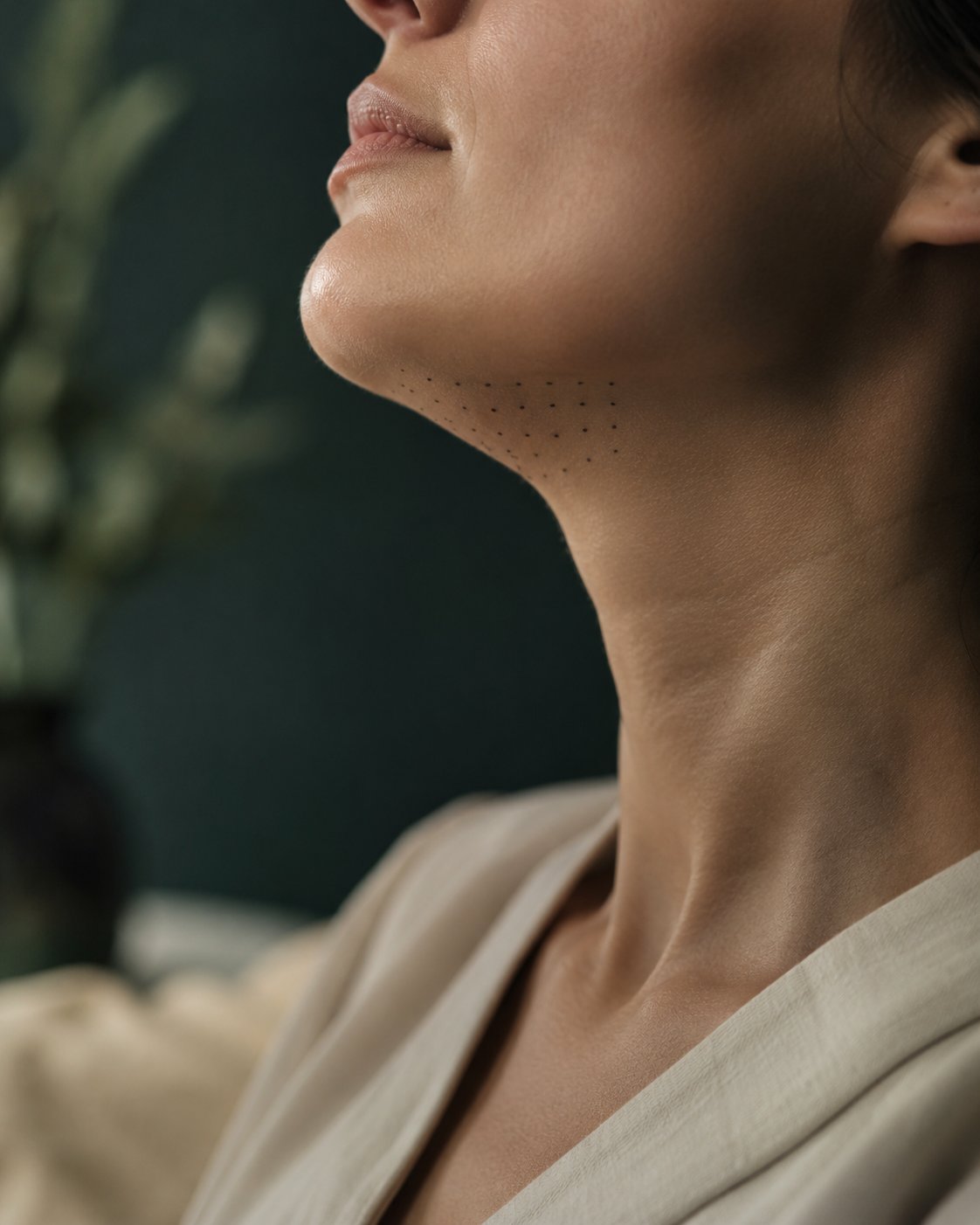
Lipolysis is most commonly associated with the submental area, the area beneath the chin often referred to as a "double chin." This is one of the most requested treatment zones because it is highly visible, difficult to camouflage, and notoriously resistant to exercise. Injectable lipolysis can help create a more defined jawline and a slimmer, more contoured profile.
Beyond the chin and jawline, lipolysis may also be used to treat other small, localised fat deposits. Common areas include the jowls, where fatty fullness can blur the definition between the jaw and neck, and small pockets on the body where contour refinement is desired.
At Éclat & Harmonie Clinic Studio, your practitioner assesses each client individually to determine whether lipolysis is appropriate for their specific concern. Not all areas of the body are suitable for this treatment, and honest guidance is essential to achieving a good outcome.
What to Expect During Treatment
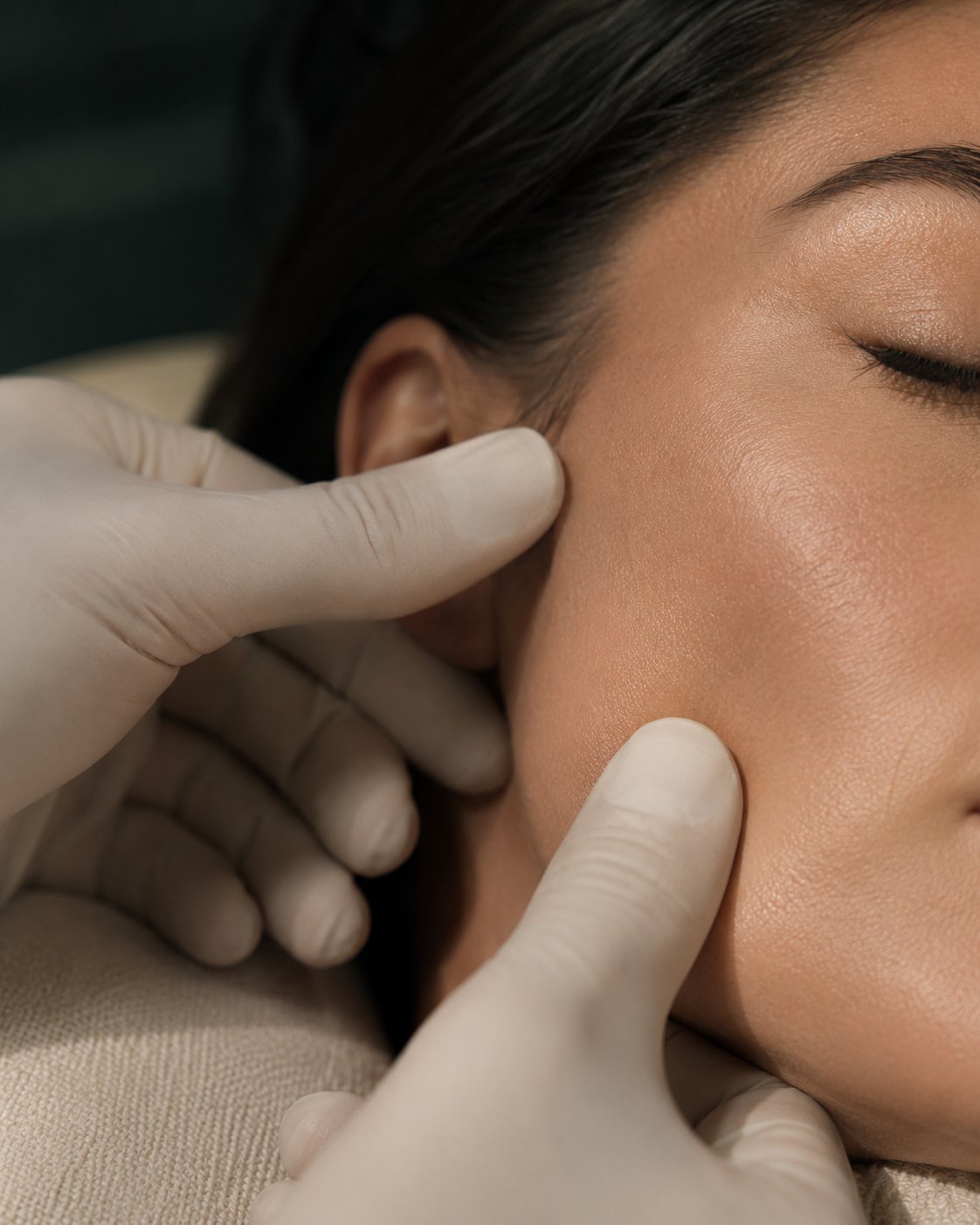
Your lipolysis experience at our private studio in Kentish Town, London NW5 begins with a thorough consultation. During this appointment, we assess the treatment area, discuss your goals, review your medical history, and ensure you have realistic expectations about what the treatment can achieve.
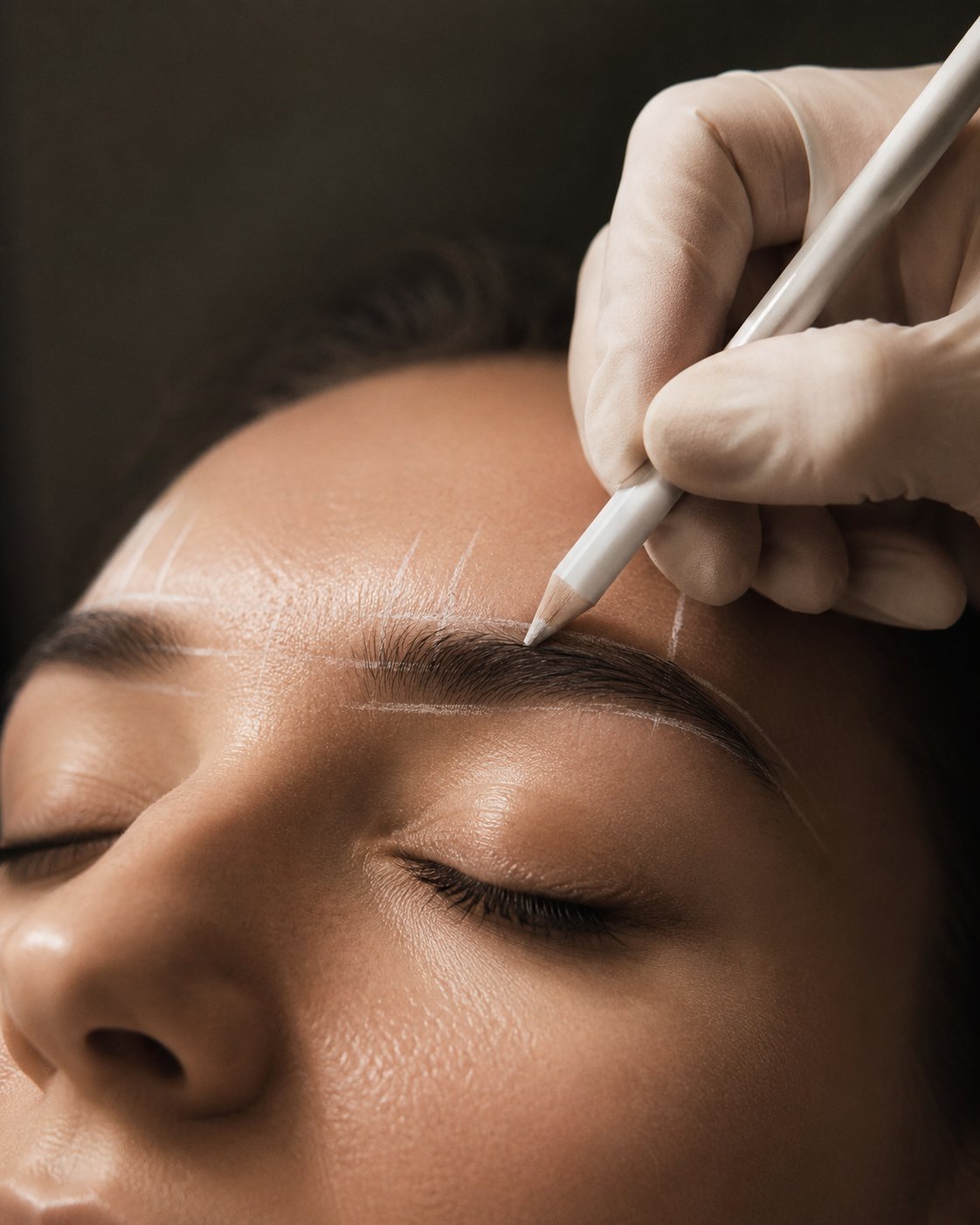
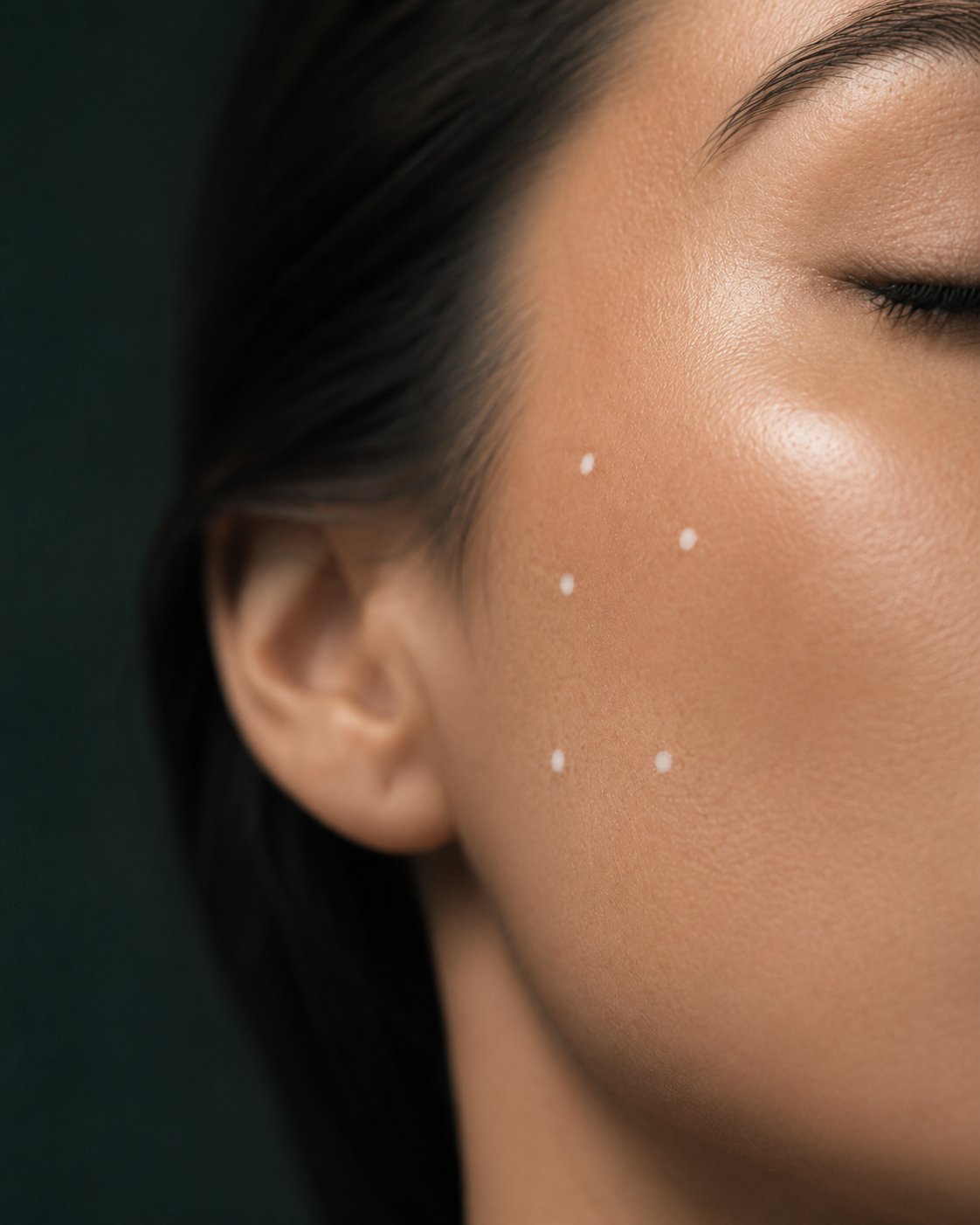
On the day of treatment, the area is cleansed and marked with a grid pattern to ensure precise, even distribution of the product. A topical anaesthetic or ice may be applied for comfort, though the solution itself typically contains lidocaine to minimise discomfort during injection.
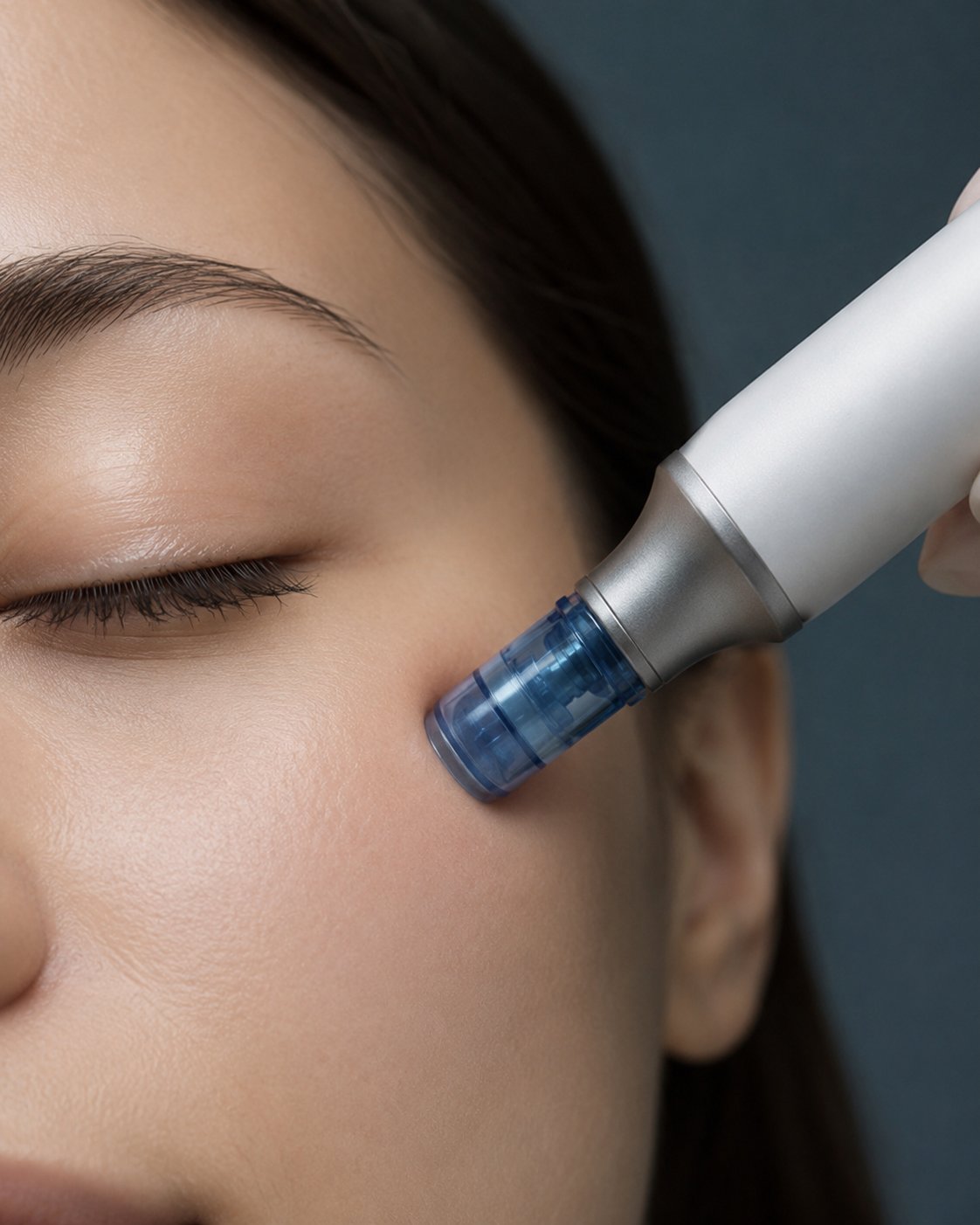
The injections are administered using a fine needle at multiple points across the treatment area. The entire procedure usually takes between fifteen and thirty minutes depending on the size of the zone being treated. Most clients describe the sensation as a series of small stings followed by a spreading warmth or tingling.
Immediately after treatment, swelling is expected, and in fact it is a sign that the product is working. The submental area, in particular, can swell quite noticeably for several days. This is the most visible aspect of the recovery process and is the main reason we advise clients to plan their treatment timing accordingly if they have important social or professional commitments.
Recovery and Side Effects
Lipolysis recovery is manageable but not invisible. The most prominent side effect is swelling, which typically peaks within the first forty-eight to seventy-two hours and gradually subsides over one to two weeks. Some clients experience swelling for up to four weeks, particularly after their first session.
Bruising, tenderness, and a feeling of firmness or numbness in the treated area are also common and generally resolve within one to two weeks. Mild discomfort can usually be managed with over-the-counter pain relief.
There is no formal downtime. You can return to work and normal activities the same day. However, the visible swelling means many clients prefer to schedule their treatment before a quieter period in their diary. Strenuous exercise should be avoided for forty-eight hours, and alcohol consumption should be limited in the first twenty-four hours to reduce the risk of additional swelling and bruising.
How Many Sessions Are Needed?
Most clients require two to four lipolysis sessions to achieve their desired result, with each session spaced four to six weeks apart. The number of sessions depends on the volume of fat in the treatment area and the degree of reduction you are seeking.
Results begin to become visible approximately four to six weeks after each session as the body processes the destroyed fat cells. The final result from a full course of treatment is typically apparent two to three months after the last session.
Because the fat cells are permanently eliminated, the results of lipolysis can be long-lasting. However, it is important to maintain a healthy lifestyle, as significant weight gain could cause remaining fat cells in the area to enlarge and potentially diminish the contouring effect.
Is Lipolysis Right for You?
Lipolysis may be suitable if you have a specific, localised pocket of stubborn fat that has not responded to diet and exercise, and you are looking for a non-surgical solution with minimal downtime. It is designed for targeted contouring rather than overall volume reduction.
The treatment is not recommended during pregnancy or breastfeeding, for individuals with active infection in the treatment area, or for those with certain medical conditions. All of this is discussed in detail during your consultation at Éclat & Harmonie Clinic Studio.
If you have been considering lipolysis, we encourage an open, informed conversation about whether it is genuinely the right approach for your goals.
Interested in non-surgical fat reduction? Book a Lipolysis consultation at Éclat & Harmonie Clinic Studio in London and find out whether this treatment can help you achieve the contour you have been working towards.
All treatments administered by qualified, registered practitioners.