
Every few years, the aesthetics world sees a genuine shift. Not just a rebranded product or a social media trend, but a fundamentally new approach to how we treat ageing skin. Polynucleotides represent exactly that kind of shift. If you have been hearing the term more frequently and wondering whether it is hype or substance, this guide will give you the clarity you need.
What Exactly Are Polynucleotides?
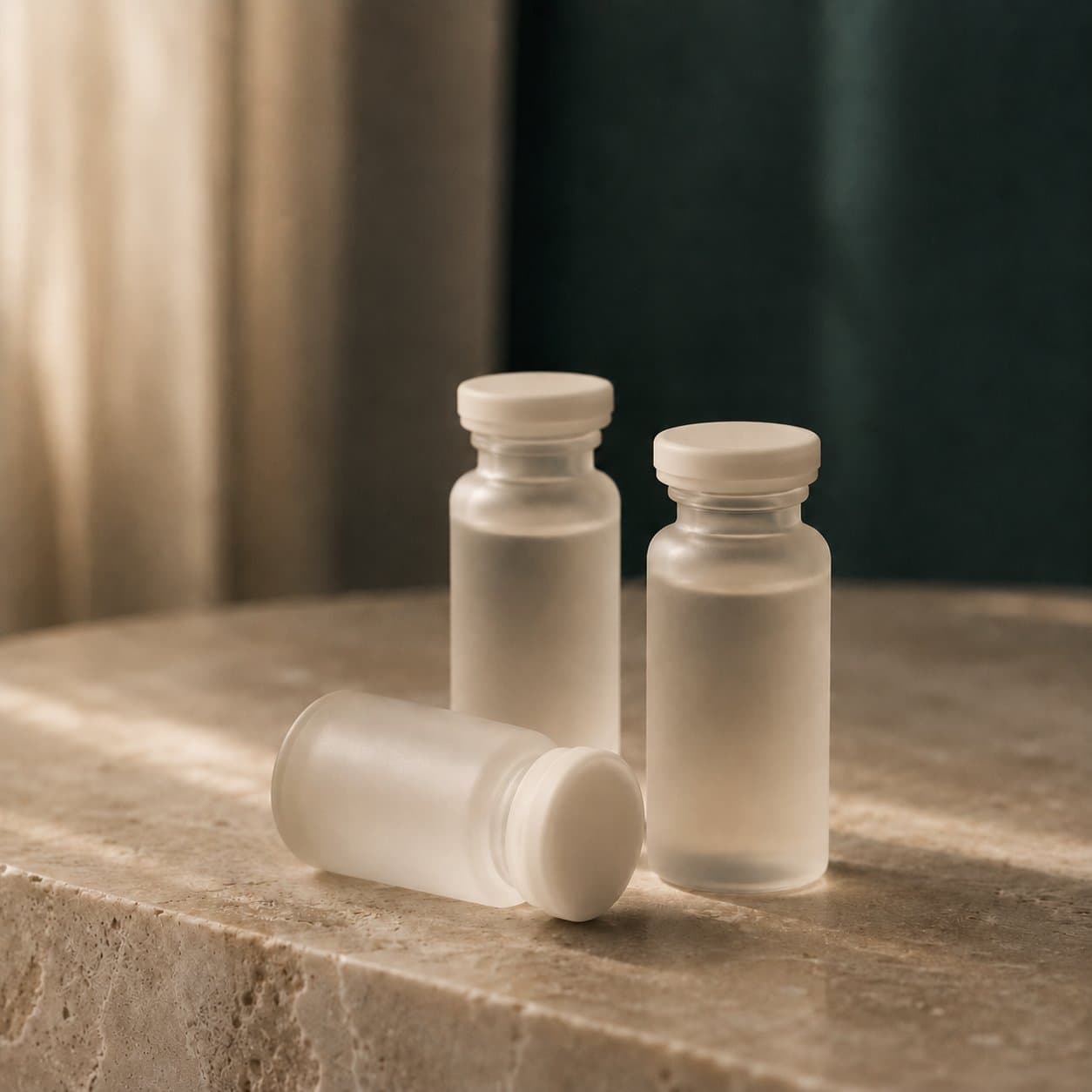
Polynucleotides (often abbreviated to PN or PDRN) are bio-stimulating injectables derived from purified DNA fragments, typically sourced from salmon or trout DNA. Before you raise an eyebrow at the idea of fish-derived skincare, it is worth understanding the science: these DNA fragments are highly purified, biocompatible, and have been used in medical applications, including wound healing and tissue regeneration, for well over a decade.
When injected into the skin, polynucleotides work at a cellular level. They stimulate fibroblast activity, fibroblasts being the cells responsible for producing collagen, elastin, and other components of the skin's structural matrix. But polynucleotides go further than simple collagen stimulation. They promote genuine tissue regeneration, improving cell turnover, reducing oxidative stress, and enhancing the skin's ability to repair and renew itself.
In simpler terms, while many treatments add something to the skin (hyaluronic acid, volume, hydration), polynucleotides encourage the skin to rebuild itself from within. This regenerative mechanism is what sets them apart and is a key reason why polynucleotide treatment has gained such momentum among aesthetic practitioners worldwide.
How Polynucleotides Differ from Skin Boosters and Fillers
Given that polynucleotides, skin boosters, and dermal fillers are all injectables, it is natural to wonder where the differences lie. The distinction is important and comes down to mechanism.
Dermal fillers add volume. They use cross-linked hyaluronic acid to physically fill, lift, and contour specific areas. The result is structural change: fuller lips, sharper cheekbones, a more defined jawline.
Skin boosters hydrate. They deliver free-flowing hyaluronic acid into the dermis to attract moisture, improve skin texture, and restore a dewy glow. The result is improved skin quality, not volumetric change.
Polynucleotides regenerate. Rather than adding a substance that the body will eventually break down, they stimulate the skin's own biology to produce new, healthier tissue. The result is improved skin quality at a foundational level: better elasticity, increased thickness, reduced fine lines, and a more resilient, youthful complexion that comes from genuine biological improvement.
This means polynucleotides can be particularly valuable for clients whose skin quality has deteriorated to the point where hydration alone is no longer sufficient. They address the root cause, declining cellular function, rather than simply supplementing one of its downstream effects.
Treatment Areas and Applications
Polynucleotides are remarkably versatile. The most common treatment area is the face, where they can improve overall skin quality, reduce fine lines, and restore a healthy, plump texture to skin that has become thin or crepey.
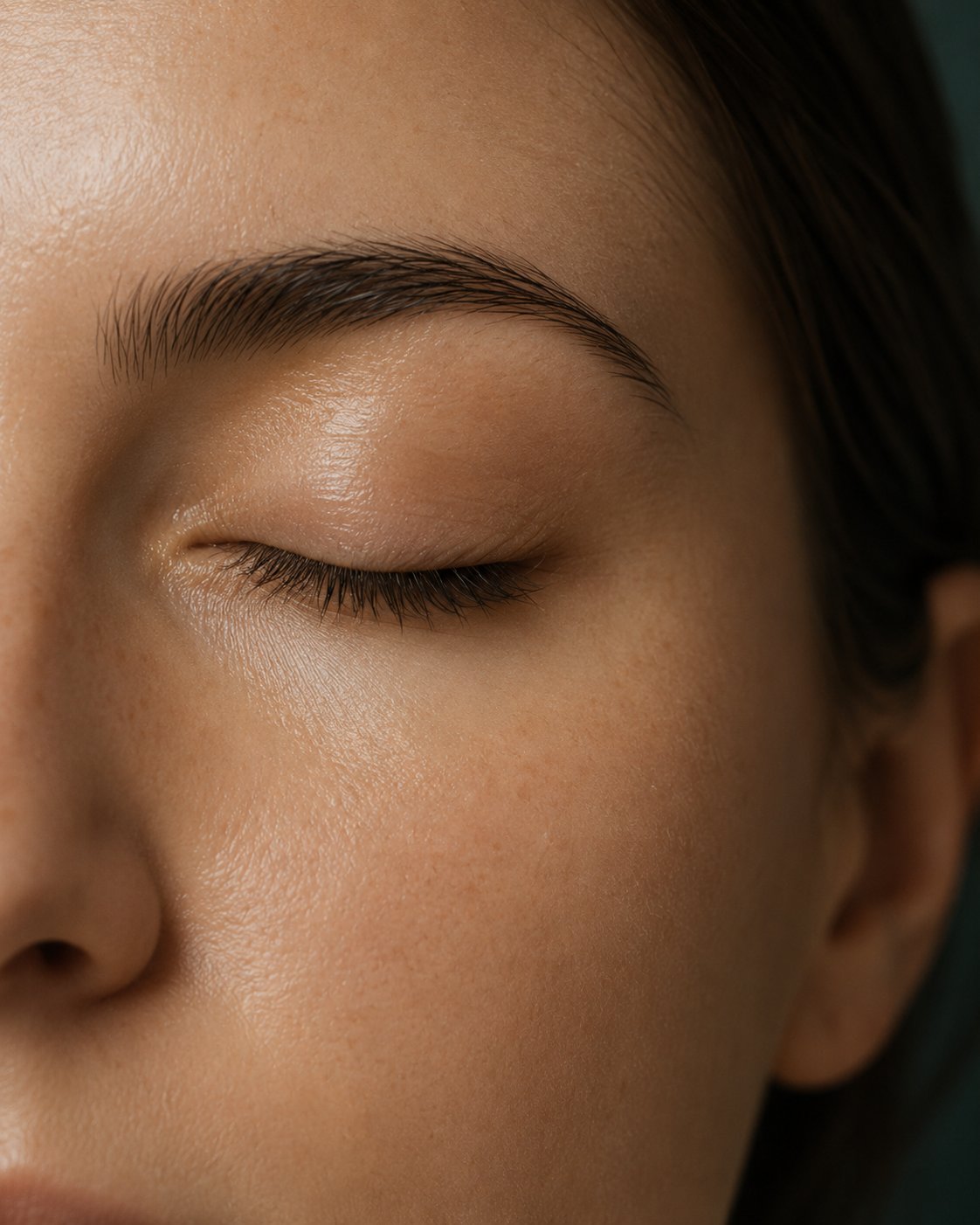
The under-eye area is one of the most exciting applications. This notoriously delicate zone is often too thin and vascular for traditional fillers, and skin boosters may not provide sufficient improvement. Polynucleotides, with their tissue-regenerating properties, can help thicken and strengthen the skin in this area, reducing the appearance of dark circles and hollowing without the risks associated with volumetric fillers.
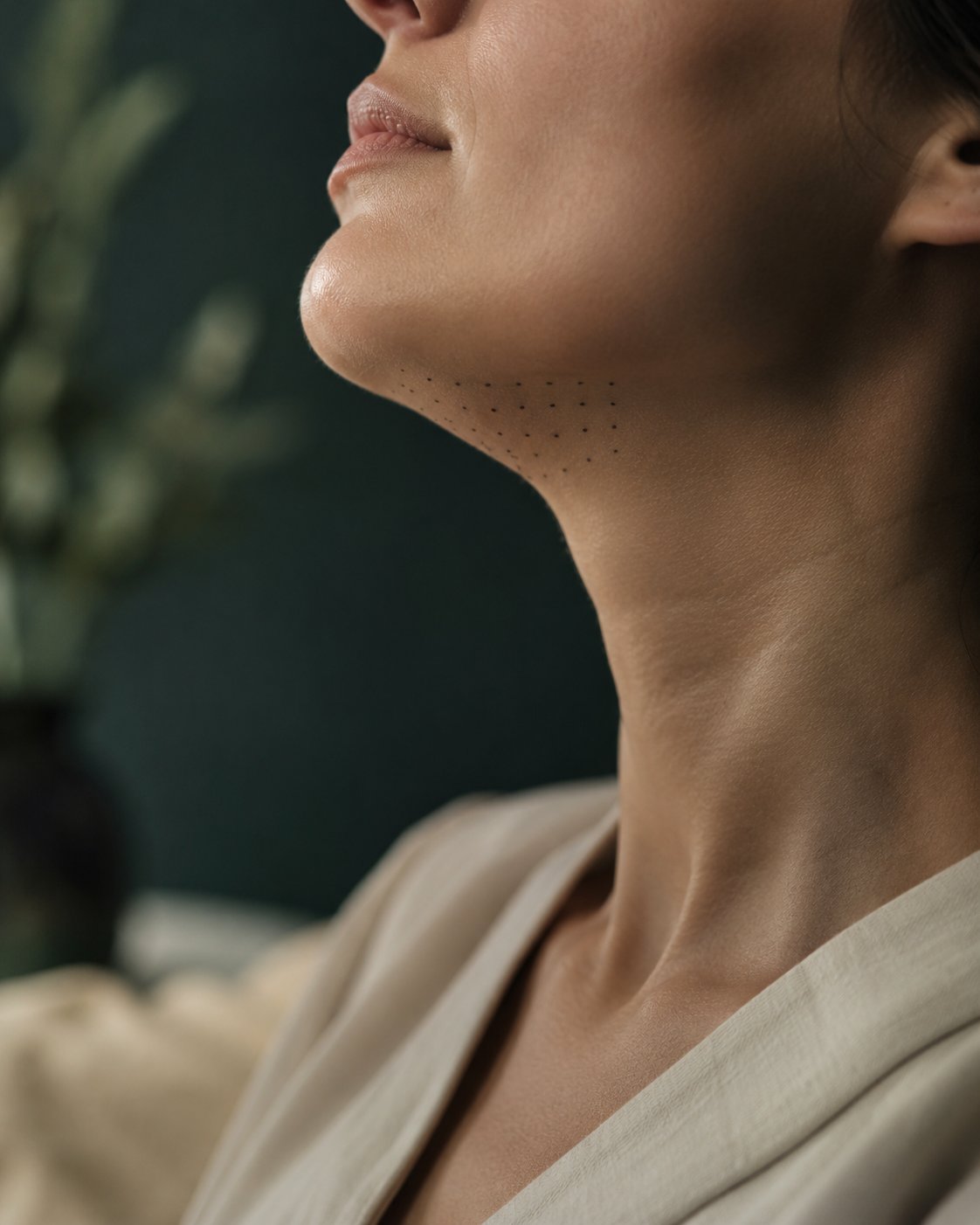
The neck and decolletage also respond beautifully to polynucleotide treatment. These areas age quickly due to thin skin and sun exposure, and traditional treatments have historically offered limited improvement. The regenerative action of polynucleotides can help restore firmness and smooth crepey texture in ways that were previously difficult to achieve non-surgically.
Hands, another telltale area of ageing, are increasingly being treated with polynucleotides to improve skin quality, reduce prominent veining appearance, and restore a more youthful texture.
What to Expect During Treatment
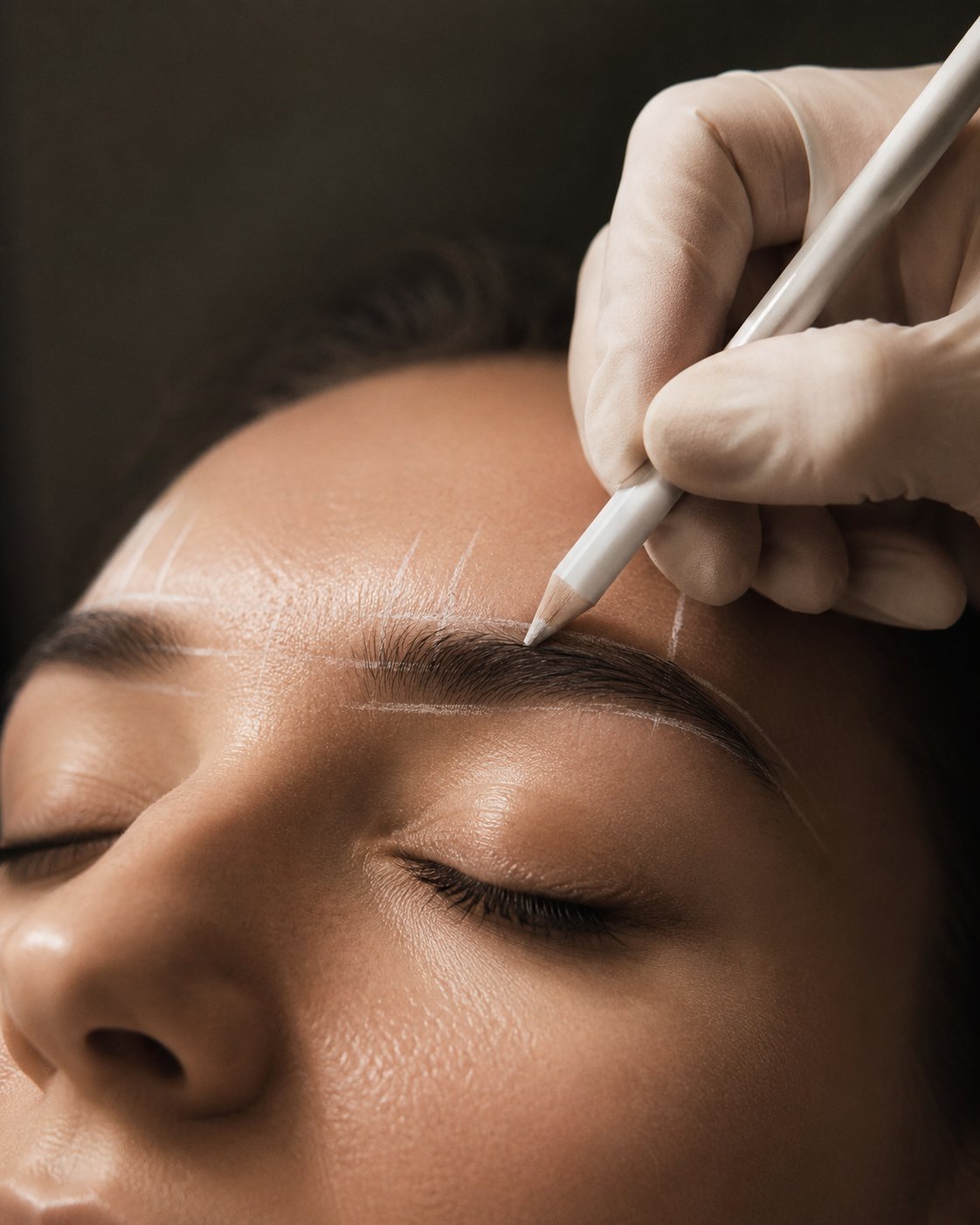
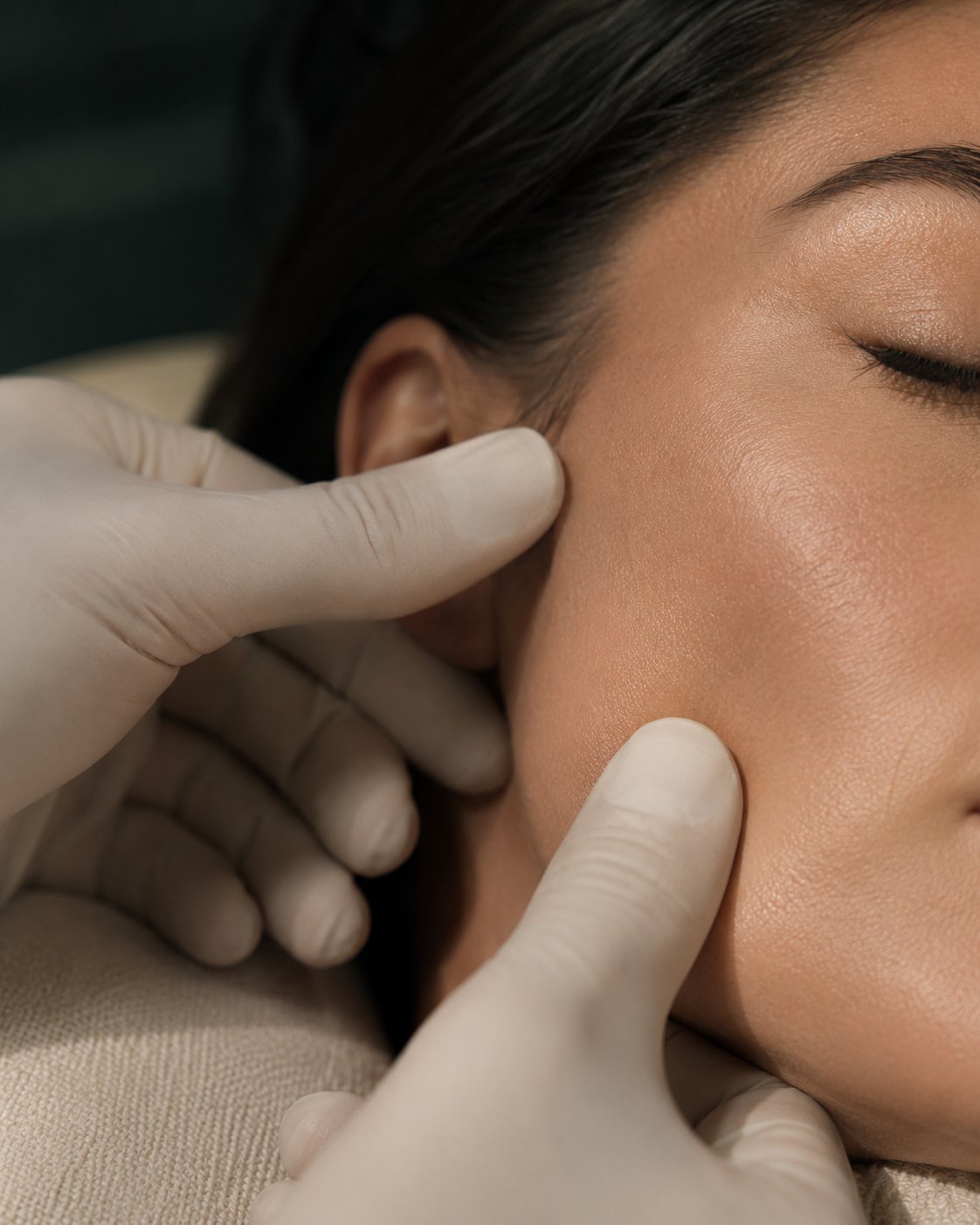
At Éclat & Harmonie Clinic Studio in Kentish Town, London NW5, your polynucleotide experience begins with a detailed consultation. Your practitioner assesses your skin quality, discusses your concerns, and determines whether polynucleotides are the most appropriate treatment for your goals, or whether an alternative or combination approach would serve you better.
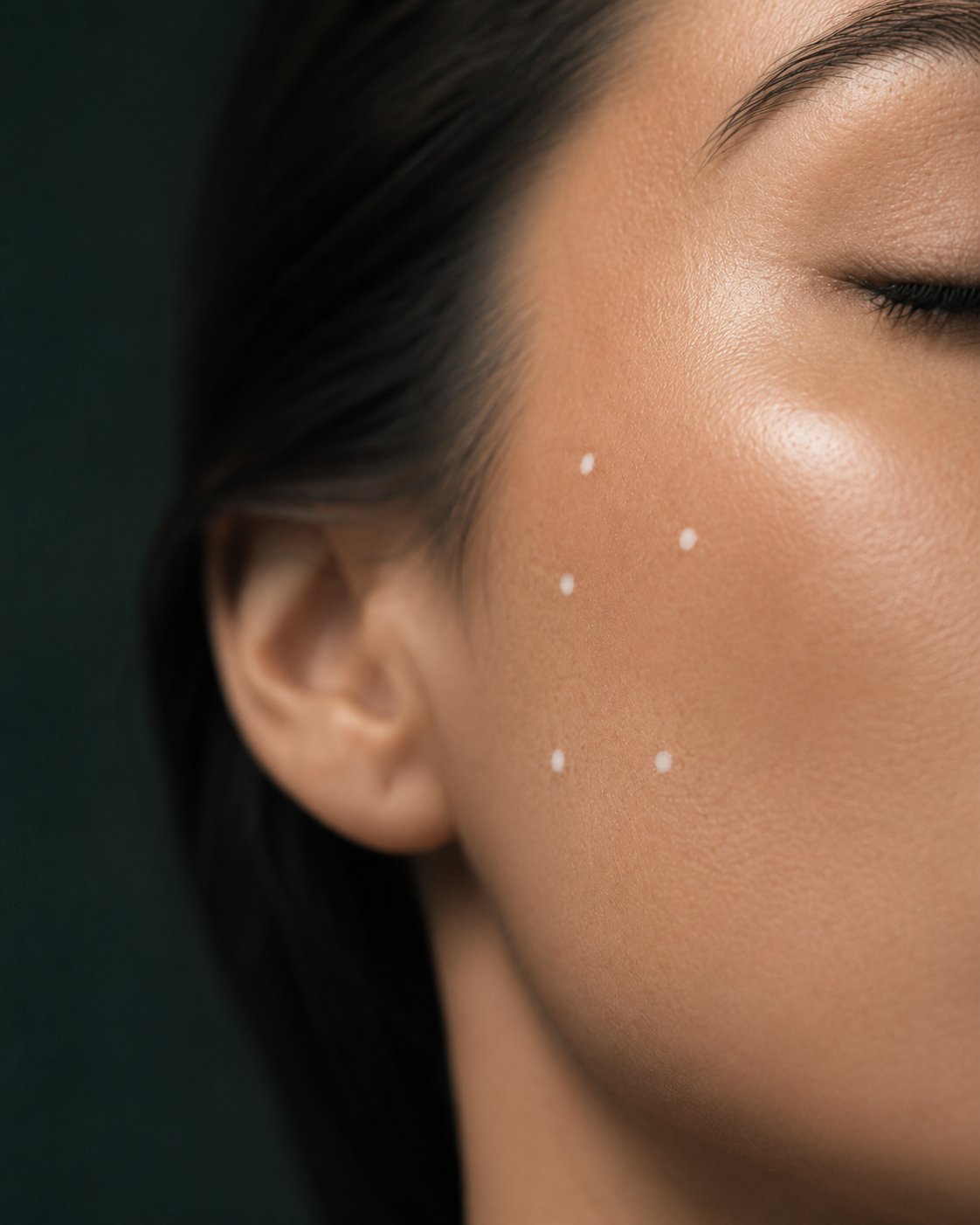
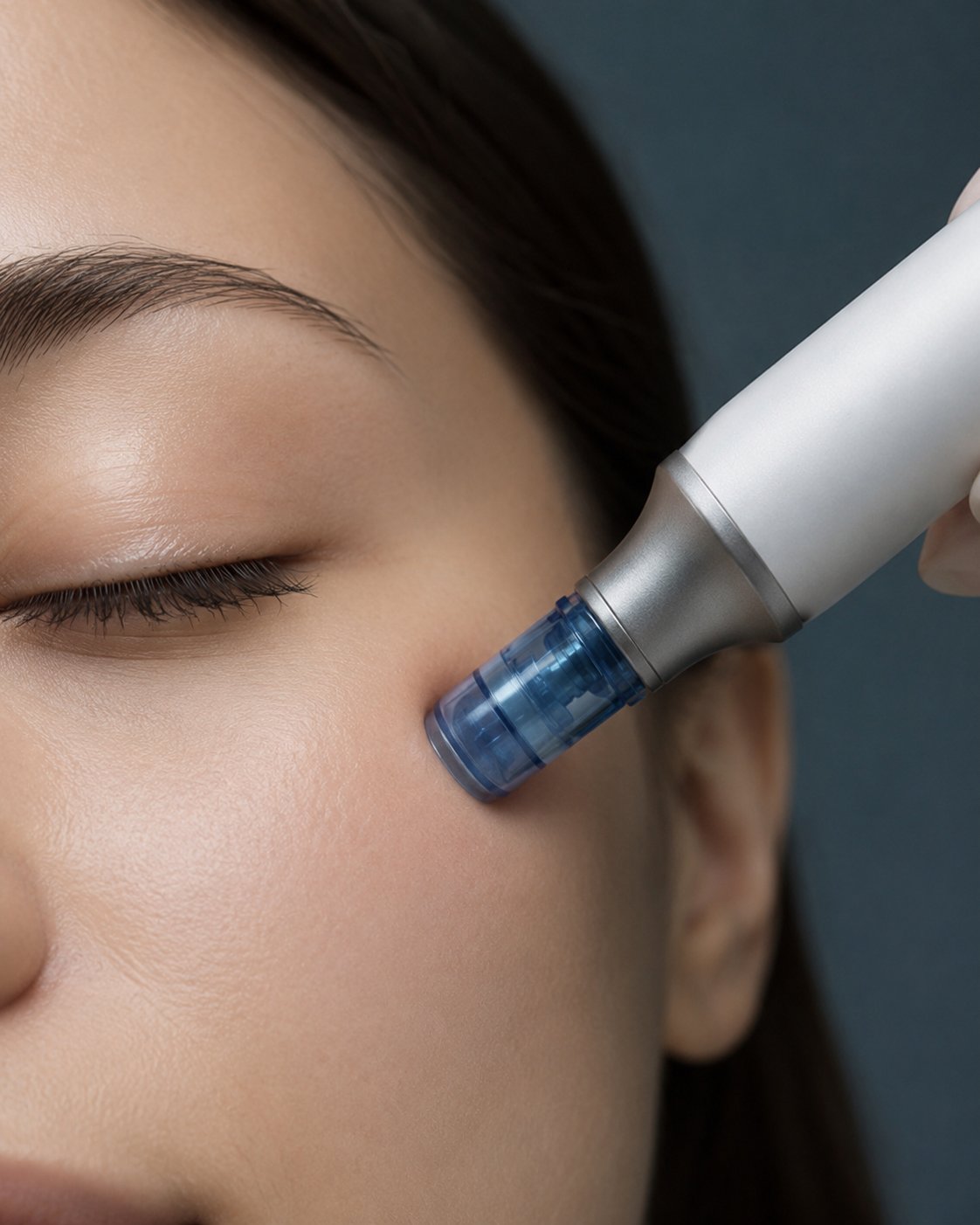
The treatment itself is relatively straightforward. After cleansing the skin and applying a topical anaesthetic for comfort, the product is injected using a series of small injections or a cannula technique, depending on the area being treated. The appointment typically takes thirty to forty-five minutes.
Discomfort is generally minimal. Clients commonly describe a series of small pinches, with the topical anaesthetic ensuring the experience remains comfortable throughout. Mild swelling and tiny injection-point marks are normal immediately after treatment and usually resolve within twenty-four to forty-eight hours.
A standard polynucleotide treatment protocol involves two to three sessions spaced three to four weeks apart. This phased approach allows each treatment to build upon the last, progressively enhancing the skin's regenerative capacity and delivering increasingly visible results.
Results: What Can You Realistically Expect?
Polynucleotides are not an instant-gratification treatment. Because they work by stimulating biological processes, including cell renewal, collagen production, and tissue regeneration, the results develop gradually over weeks and months. Most clients begin to notice improvements in skin texture and radiance within two to four weeks of their first session, with the most significant changes becoming apparent after completing the full course.
The improvements are often described as the skin looking healthier, more resilient, and more youthful in a way that is difficult to pinpoint from the outside. Friends may comment that you look well-rested or refreshed without being able to identify exactly what has changed. This subtlety is precisely the appeal for many clients: a genuine improvement in skin quality rather than an obviously "treated" appearance.
Results from a full course of polynucleotide treatment can last six to twelve months, after which maintenance sessions can help sustain the benefits. Many clients incorporate polynucleotides into their annual skin health routine alongside other treatments for a complete, layered approach to ageing well.
Who Is Polynucleotide Treatment For?
Polynucleotides may be suitable for a broad range of clients. They are particularly well suited for those who notice thinning, crepey skin, loss of elasticity, persistent dullness that does not respond to topical products, or early laxity in areas such as the under-eyes, neck, and hands.
They are also an excellent option for clients who want to invest in long-term skin health rather than quick-fix volumetric changes. If your philosophy leans towards strengthening your skin from within rather than masking the signs of ageing, polynucleotides align perfectly with that approach.
As with all injectable treatments at Éclat & Harmonie, a thorough consultation ensures the treatment is appropriate for you, taking into account your medical history, skin condition, and personal goals.
Curious about polynucleotides? Book a Polynucleotides consultation at Éclat & Harmonie Clinic Studio in London and discover whether this next-generation treatment is right for your skin.
All treatments administered by qualified, registered practitioners.