

Imagine spending hundreds of pounds on serums, retinoids, and professional treatments, only to undo a significant portion of those results by skipping one simple step each morning. It sounds absurd, yet it happens every day. Sunscreen is not glamorous. It does not come in beautiful glass bottles or promise overnight transformation. But dermatologists, researchers, and aesthetic practitioners universally agree on one thing: SPF is the single most effective anti-ageing product you can use.
At Éclat & Harmonie Clinic Studio, we tell every client the same thing: no skincare routine, no matter how sophisticated, can outperform the damage caused by daily unprotected UV exposure. Understanding why this is true, and how to choose and use sunscreen properly, may be the most valuable skincare knowledge you ever acquire.
How UV Radiation Ages Your Skin
Sunlight contains two types of ultraviolet radiation that affect your skin: UVA and UVB. Both contribute to skin ageing, but they do so in different ways.
UVB rays are the ones you associate with sunburn. They affect the outer layer of the skin (the epidermis) and are strongest during summer months and midday hours. UVB radiation damages DNA in skin cells and is the primary cause of sunburn and a significant contributor to skin cancer risk.
UVA rays penetrate deeper, reaching the dermis where your collagen and elastin fibres reside. Unlike UVB, UVA intensity remains relatively consistent throughout the year and can penetrate through clouds and glass. This means you are exposed to ageing UVA radiation even on overcast days and even while sitting by a window.
The cumulative effect of UVA exposure is what dermatologists call photoageing. It accounts for up to eighty per cent of visible facial ageing, far more than the natural chronological ageing process. Photoageing manifests as fine lines, deep wrinkles, loss of elasticity, uneven pigmentation, rough texture, and broken capillaries. If you have ever compared the skin on your face to the skin on an area that rarely sees the sun, your inner arm, for example, you have seen the difference between photoaged and chronologically aged skin.
SPF Ratings: What the Numbers Actually Mean
SPF stands for Sun Protection Factor, and it specifically measures protection against UVB radiation. An SPF 30 sunscreen filters approximately ninety-seven per cent of UVB rays, while SPF 50 filters around ninety-eight per cent. The difference between SPF 30 and SPF 50 is small in absolute terms, but SPF 50 does offer a meaningful additional margin of protection, particularly for those with fair skin or a history of sun damage.
However, SPF alone does not tell the whole story. Because SPF measures only UVB protection, you need to look for the term "broad spectrum" on the label, which indicates the product also protects against UVA radiation. In Europe, look for the UVA circle logo, which confirms the product meets EU standards for UVA protection. Without adequate UVA coverage, you may avoid sunburn while still accumulating the deeper dermal damage that drives SPF and skin ageing concerns.
How to Choose the Right Sunscreen
The best sunscreen is the one you will actually wear every day. This sounds like a cliche, but it is genuinely the most important criterion. An SPF 50 that sits unused in your bathroom cupboard protects nothing.
Chemical sunscreens absorb UV rays and convert them into heat. They tend to have lighter textures, blend easily, and sit well under makeup. Common active ingredients include avobenzone, octocrylene, and newer-generation filters such as Tinosorb S and Tinosorb M.
Mineral sunscreens (also called physical sunscreens) contain zinc oxide or titanium dioxide and work by sitting on the skin's surface, reflecting and scattering UV rays. They are generally better tolerated by sensitive and reactive skin types but can leave a white cast, particularly on deeper skin tones. Modern formulations using micronised particles have improved this significantly, though some residual cast may still be visible.
Hybrid sunscreens combine chemical and mineral filters, aiming to offer broad protection with an elegant texture.
For daily facial use, choose a lightweight, non-comedogenic formula. Tinted SPF products can double as a makeup base, streamlining your morning routine. The key is finding a product that feels comfortable enough to apply generously every single morning without hesitation.
Why Reapplication Matters More Than You Think
Here is the part most people get wrong. Applying sunscreen in the morning and considering yourself protected all day is a misconception. Sunscreen degrades through UV exposure, sweating, touching your face, and the passage of hours.
Reapply every two hours during continuous sun exposure. For those working indoors, a midday reapplication is still advisable, particularly if you sit near windows. SPF powders and sprays make reapplication over makeup straightforward, though they should supplement rather than replace your initial morning application.
Research shows most people apply only twenty-five to fifty per cent of the recommended amount. For your face alone, you need approximately a quarter of a teaspoon. An SPF 50 applied thinly may deliver effective protection closer to SPF 15 or even less.
SPF Alongside Aesthetic Treatments
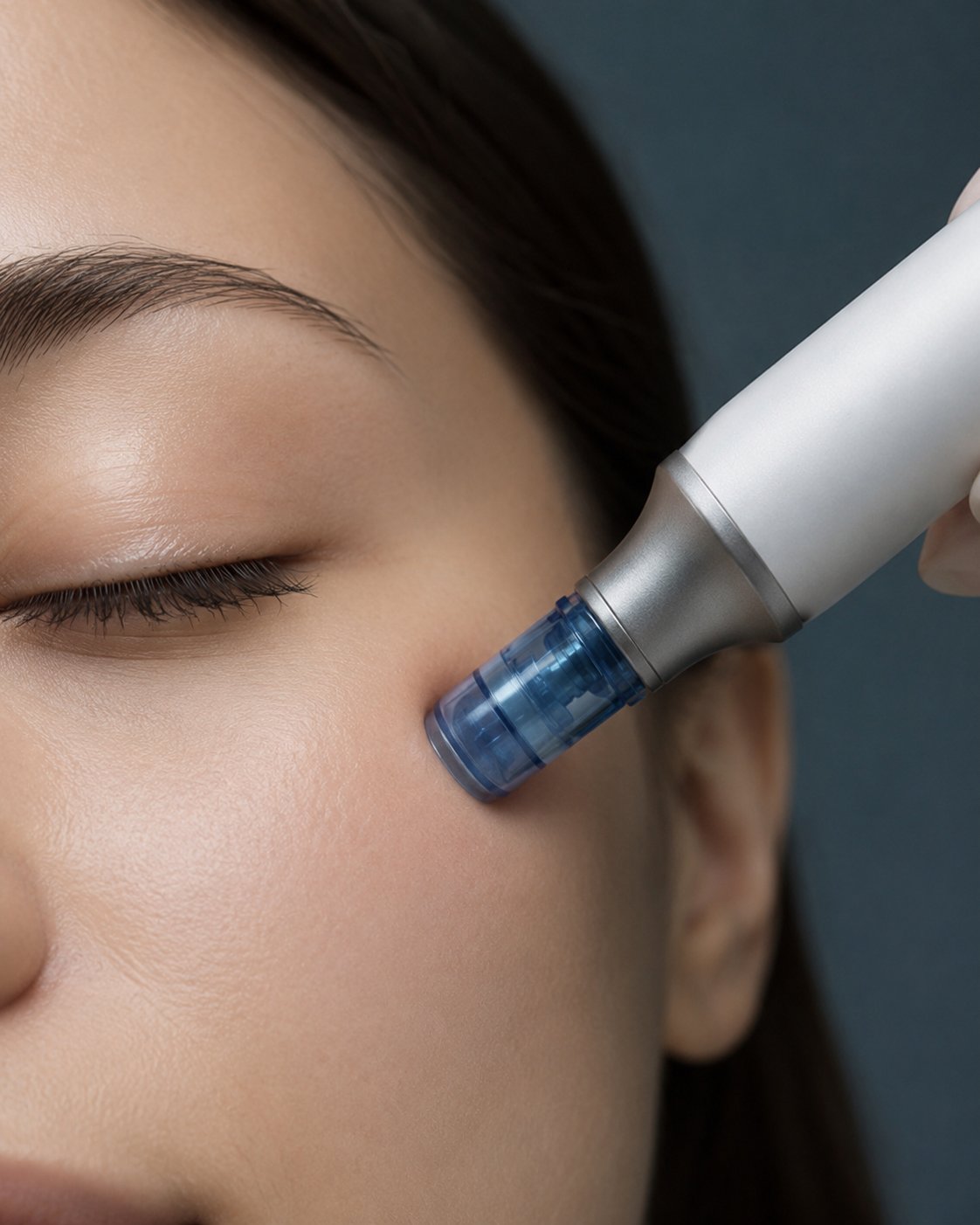
If you are investing in professional aesthetic treatments, whether that is microneedling, chemical peels, or injectable procedures, sun protection becomes even more critical. Many of these treatments temporarily increase your skin's sensitivity to UV radiation, and unprotected sun exposure during the recovery period can lead to complications including post-inflammatory hyperpigmentation.
At our Kentish Town studio, we emphasise sun protection as a non-negotiable part of every treatment plan. Clients who commit to daily SPF use consistently achieve better, longer-lasting results from their professional treatments. This is not coincidence. It is biology. When you protect the collagen you are working so hard to build and preserve, your investment in skincare and professional treatments compounds rather than diminishes.
Certain active ingredients commonly used alongside treatments, such as retinoids, vitamin C, and AHAs, also increase photosensitivity. Using these without adequate SPF is counterproductive at best and damaging at worst. Think of sunscreen as the protective framework that allows all your other products to do their best work.
Making SPF a Non-Negotiable Habit
The science is clear: daily broad-spectrum sunscreen use can slow and partially prevent photoageing, reduce the risk of pigmentation disorders, and protect your investment in both at-home skincare and professional treatments. No other single product offers this breadth of benefit.
If you currently skip sunscreen on cloudy days, during winter, or when you are "only inside," consider this your invitation to reconsider. UVA penetrates clouds and glass. It is present year-round in London. And the cumulative effect of those seemingly insignificant daily exposures adds up over years and decades.
Start simple. Find one sunscreen you genuinely enjoy wearing. Apply it every morning as the final step of your skincare routine, before makeup. Build the habit until it feels as automatic as brushing your teeth. Your future self will thank you.
If you would like personalised advice on sun protection as part of a broader skincare strategy, or if you are considering professional treatments and want to understand how to optimise your results, book a consultation at Éclat & Harmonie Clinic Studio. All treatments are administered by qualified, registered practitioners.