Your twenties were forgiving. Late nights, skipped sunscreen, sleeping in makeup, and your skin bounced back without complaint. Then somewhere around thirty, the rules changed. Fine lines appeared where there were none before. Your complexion lost a certain luminosity. If you have noticed these subtle shifts and started wondering what you should actually be doing about them, you are not alone, and your timing is excellent.
Building the right anti-ageing skincare routine in your 30s is not about panic-buying every serum on the market. It is about choosing a handful of proven, well-researched ingredients and applying them in the correct order. At Éclat & Harmonie Clinic Studio in London NW5, we guide clients through exactly this process, helping them understand which ingredients deliver real results and when professional treatments can amplify what topical products cannot achieve alone.
Your Morning Routine: Protection and Prevention
Morning skincare is fundamentally about defence. Your skin faces UV radiation, pollution, and environmental stressors throughout the day, and your routine should create a shield against all of them.
Step one: gentle cleanser. Start with a mild, pH-balanced cleanser that removes overnight sebum and product residue without stripping your skin barrier. Opt for cream or gel formulations containing ceramides or glycerin. Over-cleansing in the morning can leave skin sensitised before the day has even begun.
Step two: antioxidant serum. This is arguably the most important step in your morning anti-ageing skincare routine for your 30s. A well-formulated vitamin C serum (look for L-ascorbic acid at concentrations between ten and twenty per cent) neutralises free radicals generated by UV exposure and pollution. Vitamin C also supports collagen synthesis and can help brighten uneven tone over time. Apply to clean, slightly damp skin for optimal absorption.
Step three: hydrating moisturiser. In your thirties, your skin's natural production of hyaluronic acid begins to decline. A lightweight moisturiser containing hyaluronic acid, niacinamide, or peptides replenishes hydration and reinforces your skin barrier. This step also creates a smooth base for your final, and most critical, layer.
Step four: broad-spectrum SPF 30 or higher. No anti-ageing routine is complete without sunscreen. UV damage is responsible for up to eighty per cent of visible skin ageing, including fine lines, pigmentation, and loss of elasticity. Choose a broad-spectrum formula that protects against both UVA and UVB rays, and apply generously. We cannot overstate this: sunscreen is the single most effective anti-ageing product you will ever use.
Your Evening Routine: Repair and Renewal
While morning is about protection, evening is your opportunity to actively repair and renew. Your skin's cell turnover peaks overnight, making this the ideal time for your most potent actives.
Step one: double cleanse. Begin with an oil-based cleanser or micellar water to dissolve makeup, sunscreen, and pollution particles. Follow with your water-based cleanser for a thorough yet gentle clean. Removing every trace of sunscreen is essential for your evening actives to absorb properly.
Step two: retinoid. If there is one ingredient that dermatologists universally recommend for anti-ageing, it is vitamin A. In your thirties, a retinoid, whether retinol, retinal, or a prescription retinoid, can accelerate cell turnover, stimulate collagen production, and refine skin texture. Start with a lower concentration two to three times per week and build gradually. Some initial dryness or mild flaking is normal as your skin acclimatises, but persistent irritation means you should reduce frequency.
Step three: targeted treatment. This is where you address your specific concerns. Peptide serums can support firmness and elasticity. Niacinamide helps regulate oil production and reduce the appearance of pores. If pigmentation is a concern, look for azelaic acid or tranexamic acid formulations. Layer your treatment serum after your retinoid has absorbed.
Step four: rich moisturiser or night cream. Your evening moisturiser can be richer than your daytime formula. Ingredients like squalane, shea butter, and ceramides help seal in your active ingredients and support your skin's overnight repair processes. If your skin is particularly dry, consider a facial oil as a final occlusive layer.
Key Ingredients That Deliver Real Results
Not every trending ingredient deserves a place in your anti-ageing skincare routine for your 30s. Focus on the ones with robust clinical evidence behind them.
Vitamin C remains one of the best-studied antioxidants in skincare. Beyond its protective role, it can help fade post-inflammatory hyperpigmentation and improve overall radiance. For stability, store your vitamin C serum away from direct light and heat.
Retinoids are the gold standard for anti-ageing. They increase collagen synthesis, normalise cell turnover, and reduce fine lines. The key is patience, as visible results typically take eight to twelve weeks.
Peptides are short chains of amino acids that signal your skin to produce more collagen and elastin. They are generally well tolerated and complement retinoids excellently.
Hyaluronic acid draws moisture into the skin and can hold up to one thousand times its weight in water. It plumps fine lines temporarily and creates a smoother, more hydrated complexion. Look for formulations containing multiple molecular weights for both surface and deeper hydration.
SPF is non-negotiable. Without daily sun protection, every other step in your routine is undermined. Consider it the foundation upon which all other anti-ageing efforts are built.
When to Add Professional Treatments
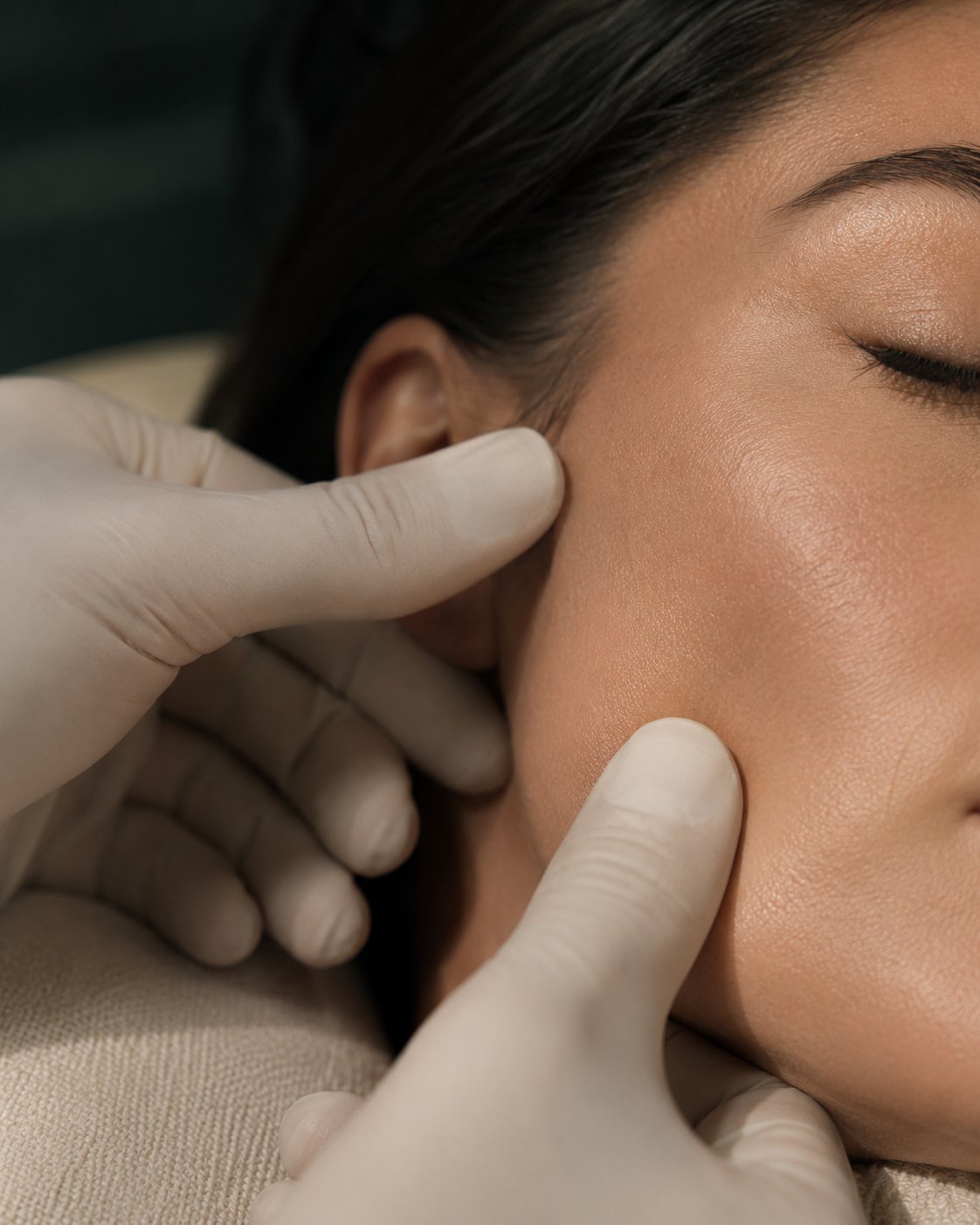
There comes a point where even the most diligent at-home routine reaches its limits. Topical products work on the surface layers of the skin, but professional treatments can address concerns at a deeper level.
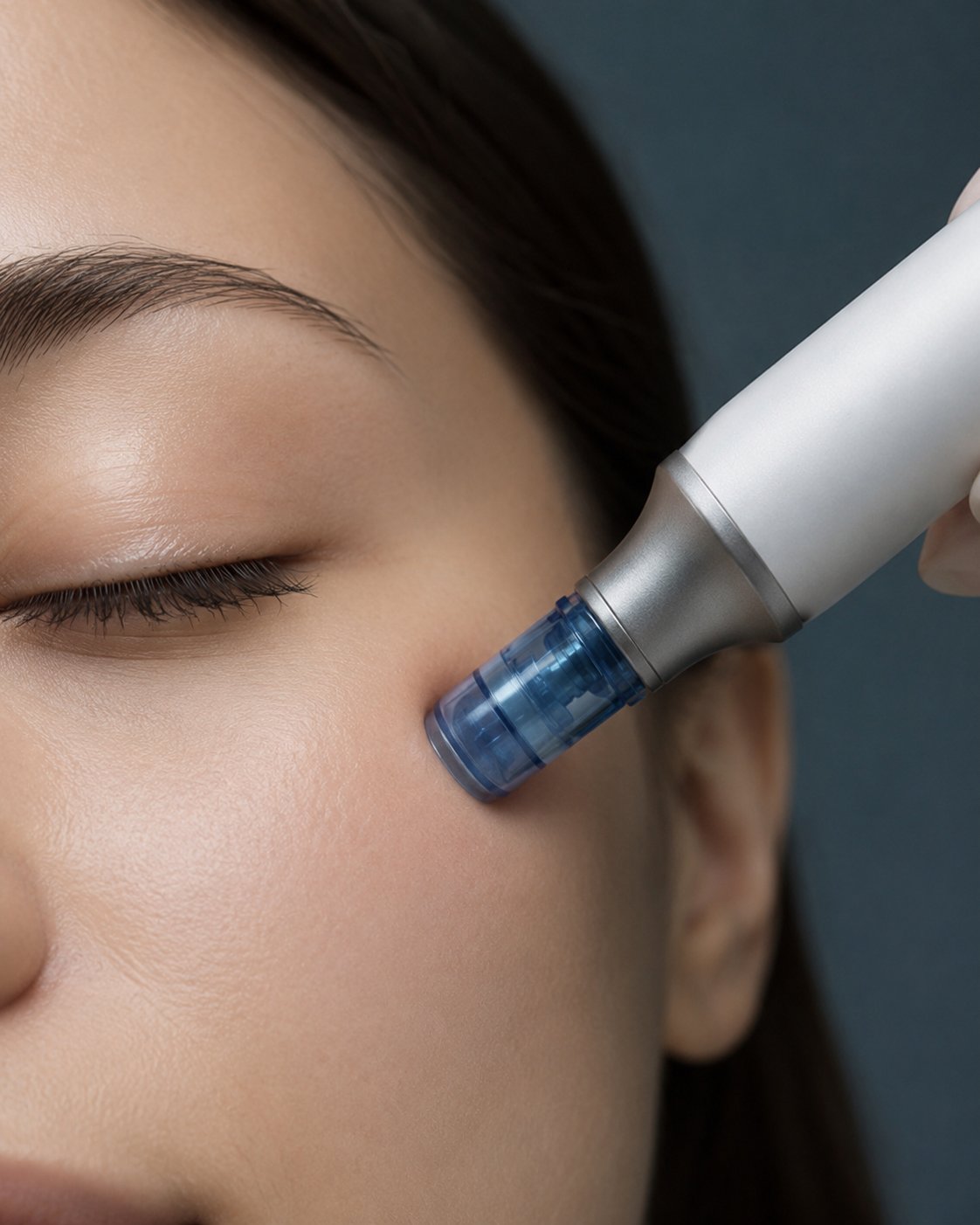
In your thirties, this is often the ideal time to explore treatments such as microneedling, which stimulates your skin's own collagen production, or chemical peels that address dullness, uneven texture, and early pigmentation changes more intensively than topical exfoliants alone.
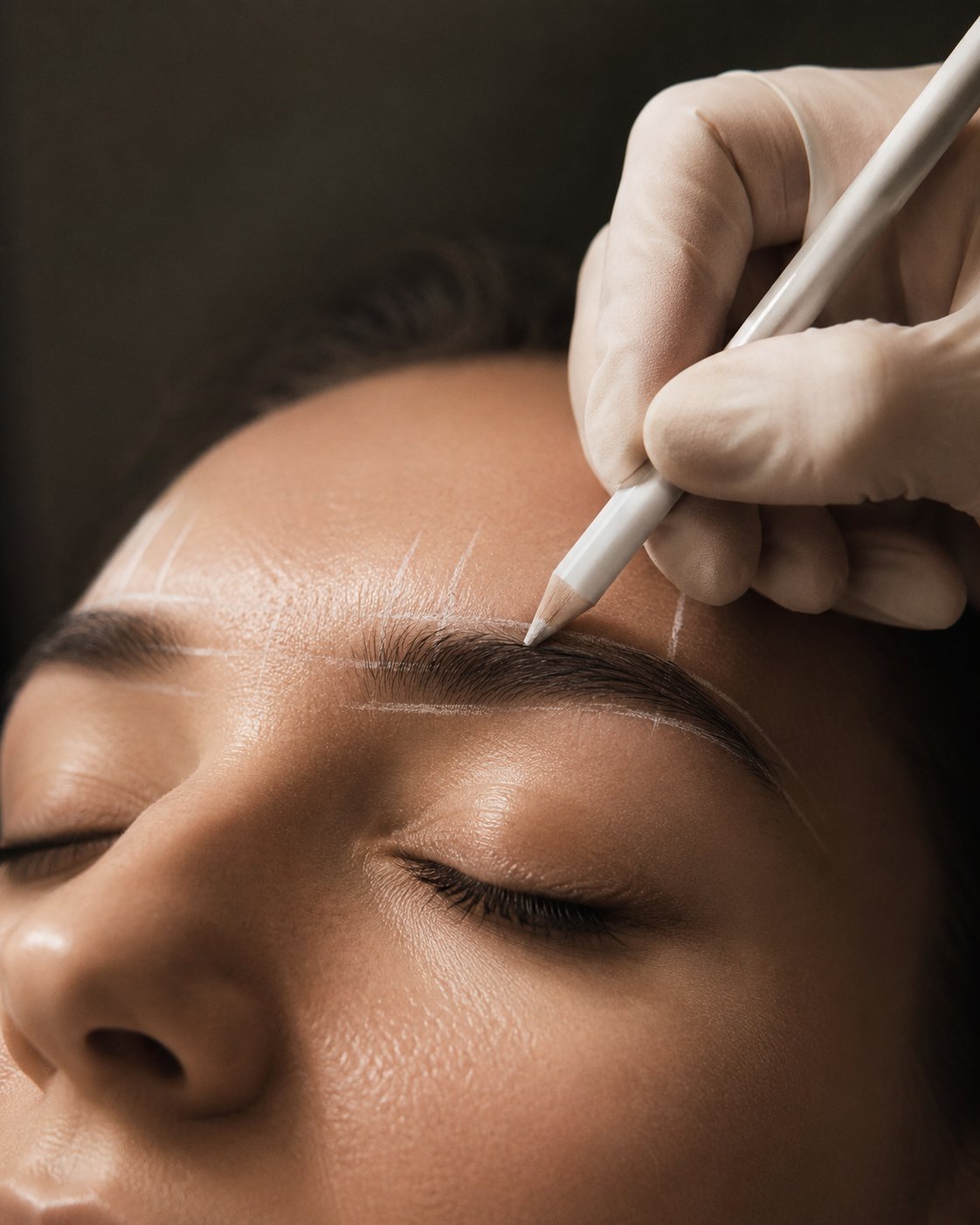
For those noticing the first signs of volume loss or deeper expression lines, a consultation can help determine whether dermal fillers or anti-wrinkle injections may be appropriate. At Éclat & Harmonie, we believe professional treatments work best as part of a broader strategy, complementing, not replacing, a solid daily routine.
Our approach at our Kentish Town studio always begins with a thorough skin assessment, because what works brilliantly for one person may not suit another.
Building Consistency Over Perfection
The best anti-ageing skincare routine for your 30s is not the most expensive or the most complex. It is the one you will actually follow every day. Start with the essentials: cleanser, vitamin C, SPF in the morning; cleanser, retinoid, moisturiser in the evening. Once those habits are firmly established, you can layer in additional treatments and actives.
Remember that skin responds to consistency, not intensity. Introducing too many new products at once makes it impossible to identify what is helping and what might be causing irritation. Add one new active at a time, allow four to six weeks before assessing results, and adjust from there.
Your thirties are not the beginning of decline. They are the beginning of intentional skincare. The choices you make now can profoundly influence how your skin looks and feels for decades to come.
If you are ready to take your routine to the next level with professional guidance, book a consultation at Éclat & Harmonie Clinic Studio. All treatments are administered by qualified, registered practitioners, and every plan begins with understanding your skin's unique needs.