You have done your research, attended your consultation, and committed to a professional aesthetic treatment. The procedure itself went smoothly. Now what? The hours and days following a treatment are just as important as the treatment itself, and the wrong skincare choices during this window can compromise your results or prolong recovery unnecessarily. A thoughtful post-treatment skincare routine is not optional. It is essential.
At Éclat & Harmonie Clinic Studio in London NW5, we provide every client with detailed aftercare guidance matched to their specific treatment. But understanding the principles behind post-treatment skincare can help you feel more confident and in control during the recovery period.
General Principles: The Foundation of Post-Treatment Care
Regardless of which treatment you have had, certain principles apply universally. Your skin has just undergone a controlled intervention, whether that involves micro-injuries, chemical exfoliation, or injectable products, and it needs time and support to heal optimally.
Simplify your routine. Strip back to the essentials: a gentle cleanser, a hydrating moisturiser, and a broad-spectrum SPF. Your skin barrier has been temporarily compromised, and fewer products mean fewer opportunities for irritation.
Hydrate generously. Ingredients like hyaluronic acid, glycerin, and ceramides support the skin barrier and reduce transepidermal water loss. Choose fragrance-free formulations to minimise sensitisation.
Protect from the sun. Post-treatment skin is significantly more vulnerable to UV damage. Apply a broad-spectrum SPF 50 every morning without exception, and reapply if you are spending extended time outdoors. UV exposure during the healing phase can trigger post-inflammatory hyperpigmentation, a frustrating outcome that can take months to resolve.
Avoid touching your face. This sounds simple, but it is surprisingly difficult in practice. Your skin may feel different, slightly swollen, textured, or tight, and the temptation to touch or assess it is strong. Resist. Clean hands only, and only when applying products.
After Injectable Treatments
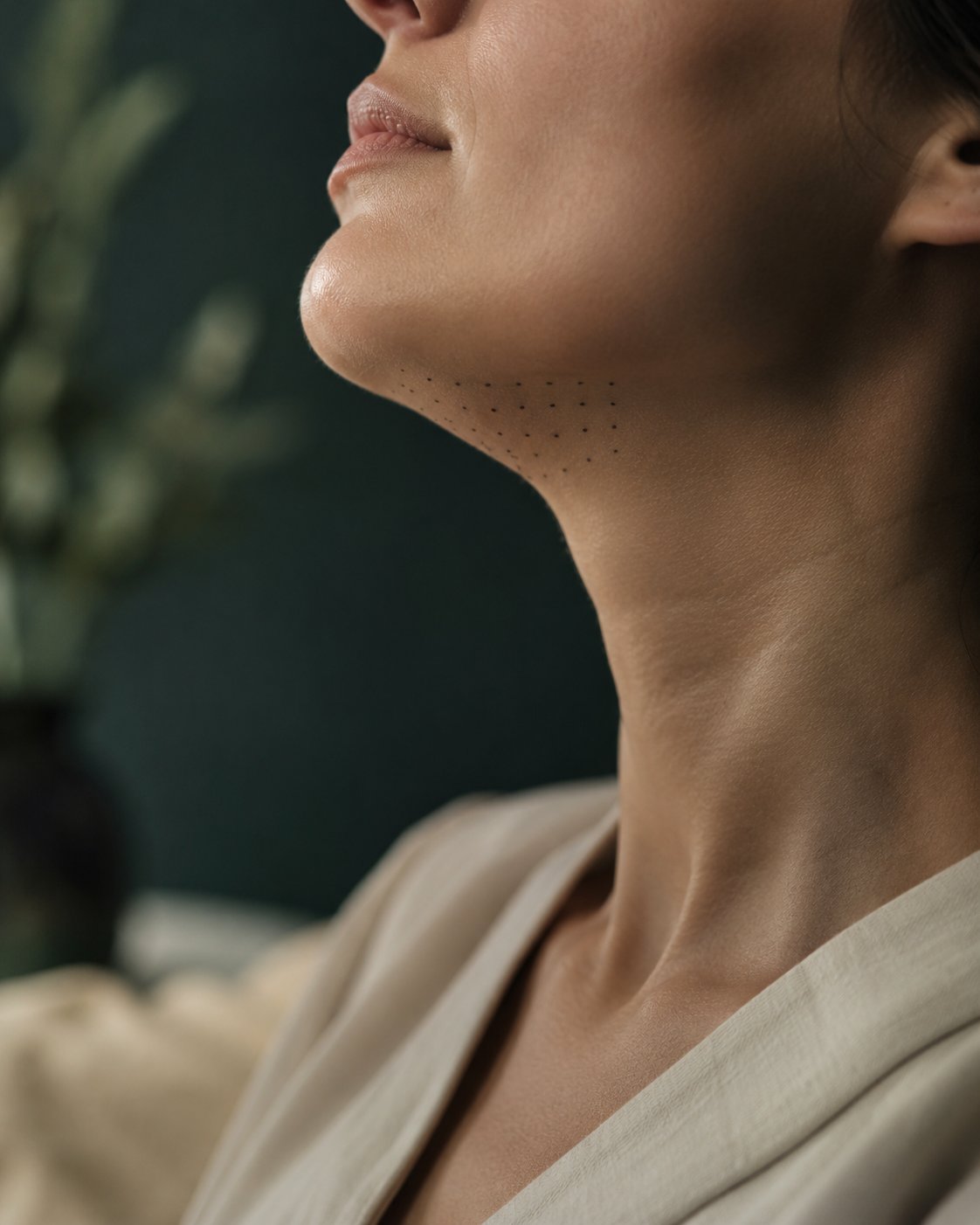
Post-treatment skincare after anti-wrinkle injections or dermal fillers requires a specific approach. The primary concern in the first twenty-four hours is avoiding anything that could displace the product or increase bruising.
First four to six hours: Avoid applying makeup, heavy creams, or any products that require rubbing or massaging into the skin. Gentle cleansing with a micellar water is acceptable if needed, but ideally leave the treated area undisturbed.
First twenty-four hours: Avoid intense exercise, saunas, and hot baths. Elevated temperature and blood flow can increase swelling and bruising.
First forty-eight hours: You may gently cleanse and apply a lightweight, fragrance-free moisturiser. Avoid active ingredients such as retinoids, AHAs, BHAs, and vitamin C around the treated area. These can cause unnecessary irritation to skin that is still settling.
After seventy-two hours: Most clients can gradually return to their normal skincare routine. If any bruising is present, arnica-based topicals may help, though evidence for their efficacy is mixed. Resume retinoids and other actives once any tenderness has fully resolved.
After Microneedling
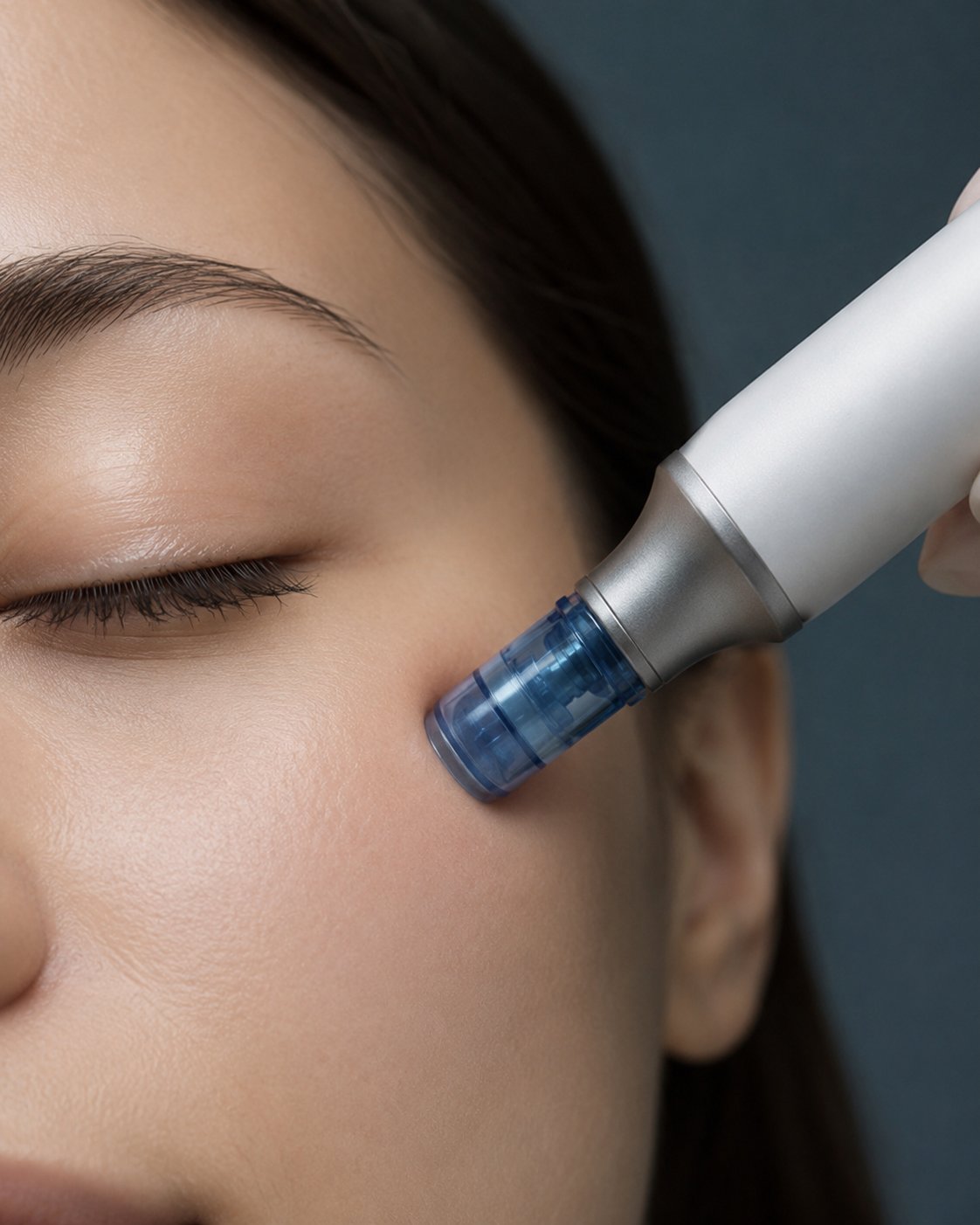
Microneedling creates thousands of controlled micro-channels in the skin, which is precisely why it is so effective at stimulating collagen production. However, those same channels mean your skin is temporarily more permeable, and more vulnerable, than usual.
Day one: Your skin will likely appear red, similar to moderate sunburn. This is entirely normal. Cleanse with lukewarm water only. No cleansers, no actives, no makeup. Apply a hyaluronic acid serum or a dedicated post-procedure balm if provided by your clinic. Avoid anything containing fragrance, essential oils, or exfoliating acids.
Days two to three: You may notice some dryness, tightness, or mild flaking as the micro-channels close and your skin begins its renewal process. Continue with gentle cleansing, hyaluronic acid, a barrier-supportive moisturiser, and SPF. Do not pick at any flaking skin. Let it shed naturally.
Days four to seven: Redness should be fading significantly. You can reintroduce your regular cleanser and moisturiser if they are well tolerated. Continue avoiding retinoids, vitamin C at low pH, and chemical exfoliants until at least day seven, or longer if your practitioner advises.
After one week: Most clients can return to their full post-treatment skincare routine, including active ingredients. Your skin may actually respond better to your usual products now, as the micro-channels will have healed, but the collagen stimulation process continues for weeks afterwards.
After Chemical Peels
Chemical peels vary enormously in depth and intensity, from gentle lactic acid treatments to more aggressive TCA peels. Your post-treatment skincare routine should reflect the depth of peel you have received.
Superficial peels (AHA/BHA): Recovery is minimal. You may experience slight tightness or mild flaking for one to three days. Keep your routine simple: gentle cleanser, hydrating serum, moisturiser, and SPF. Avoid retinoids and exfoliating acids for three to five days post-peel.
Medium-depth peels: Expect more noticeable peeling, typically beginning on day two or three and lasting up to a week. Your skin may feel tight, dry, and appear visibly flaky. Do not pull or peel flaking skin manually, as this can cause scarring or pigmentation changes. Use a thick, occlusive moisturiser to keep peeling skin hydrated, and apply SPF religiously. Avoid all actives until peeling has completely resolved.
For all peels: Hydration is paramount. Avoid makeup for at least twenty-four hours after superficial peels and longer after medium-depth treatments. When you do return to makeup, ensure brushes and sponges are scrupulously clean.
Ingredients to Avoid During Healing
Certain ingredients that are beneficial in your normal routine can be counterproductive, or even harmful, during the post-treatment healing window.
Retinoids (retinol, retinal, tretinoin): These accelerate cell turnover, which is normally desirable but can interfere with the controlled healing process after professional treatments. Wait until your skin has fully recovered before reintroducing them.
AHAs and BHAs (glycolic acid, salicylic acid, lactic acid): Chemical exfoliants on already-compromised skin can cause excessive irritation, prolonged redness, and barrier damage. Pause these for at least five to seven days post-treatment.
Vitamin C at low pH: While vitamin C is an excellent antioxidant, formulations at low pH levels can sting and irritate freshly treated skin. Higher-pH vitamin C derivatives are generally better tolerated during recovery.
Fragrance and essential oils: Even if your skin normally tolerates fragranced products, post-treatment skin is more reactive. Switch to fragrance-free alternatives during your recovery period.
Physical exfoliants: Scrubs, brushes, and textured cloths should be avoided entirely until your skin has fully healed. These can cause micro-tears in already-vulnerable skin and delay recovery.
Returning to Your Normal Routine
The timeline for returning to active ingredients varies by treatment, but a general rule applies: let your skin guide you. If it feels calm, hydrated, and free from redness or sensitivity, you can begin reintroducing products one at a time. If it feels reactive, wait a few more days.
At our Kentish Town studio, we always provide personalised aftercare instructions and are available for questions during your recovery. Good post-treatment skincare is not complicated. It simply requires patience, gentleness, and the discipline to resist the urge to do too much too soon.
If you are considering a professional treatment and want to understand the full process, including preparation and recovery, book a consultation at Éclat & Harmonie Clinic Studio. All treatments are administered by qualified, registered practitioners, and aftercare support is always included.