

Have you ever noticed that the moisturiser you swear by in January feels heavy and congesting by June? Or that the lightweight gel you love in summer leaves your skin tight and flaky come November? You are not imagining it. Your skin's needs genuinely shift with the seasons, and adjusting your routine accordingly can make a significant difference to how your complexion looks and feels throughout the year. At Éclat & Harmonie Clinic Studio, we help clients in London NW5 build skincare strategies that evolve with the calendar, and here is how you can do the same.
Winter: Nourish, Protect, and Hydrate
British winters are tough on skin. Cold outdoor temperatures, biting wind, and the constant transition between icy air and overheated indoor environments create a perfect storm for dehydration, sensitivity, and a compromised skin barrier.
Switch to richer moisturisers. Winter is the time to upgrade to a cream or balm with occlusive ingredients such as ceramides, squalane, or shea butter. These form a protective layer that locks in moisture and shields the barrier. Combine humectants (hyaluronic acid, glycerin) with occlusives for both hydration and protection.
Be gentle with actives. Winter is not the time to push your skin with aggressive exfoliation. If you use AHAs or BHAs, consider reducing frequency from daily to two or three times per week. Your skin barrier is already under stress from the elements, and over-exfoliation can tip it into redness, peeling, and irritation. If retinoids are part of your routine, you may wish to buffer them by applying moisturiser first.
Do not forget SPF. This is the most commonly skipped step in a winter seasonal skincare routine, and it is a mistake. UVA rays, the ones responsible for premature ageing, penetrate clouds and glass year-round. A broad-spectrum SPF 30 remains essential every morning, regardless of how grey the sky looks outside.
Invest in hydration from within. Central heating strips moisture from the air, and your skin suffers as a result. A humidifier in your bedroom can help, as can increasing your water intake and incorporating hydrating foods into your diet. Professional treatments such as skin boosters, which deliver hyaluronic acid directly into the dermis, can provide deep hydration that topical products alone cannot match.
Spring: Reset, Rebuild, and Reintroduce
Spring is the season of renewal, and your skincare routine should reflect that. As temperatures rise and humidity increases, your skin begins to produce more oil naturally, and the protective cocoon of winter products may start to feel excessive.
Gradually reintroduce actives. If you scaled back your exfoliating acids during winter, spring is the time to build back up. Start with a low-concentration AHA once or twice weekly, increasing frequency as your skin acclimates. This lifts the dull surface cells that accumulated over winter, revealing brighter skin beneath.
Lighten your moisturiser. Transition from heavy creams to lighter lotions or gel-creams. Your skin is receiving more natural humidity from the air, so it no longer needs the same level of occlusive protection. If your skin is oily or combination, you may find that a hydrating serum under a light moisturiser is sufficient.
Reassess your SPF. With longer days and more outdoor time, spring is the moment to recommit to sun protection. Upgrade to a dedicated sunscreen with at least SPF 30, ideally SPF 50 if you spend significant time outdoors.
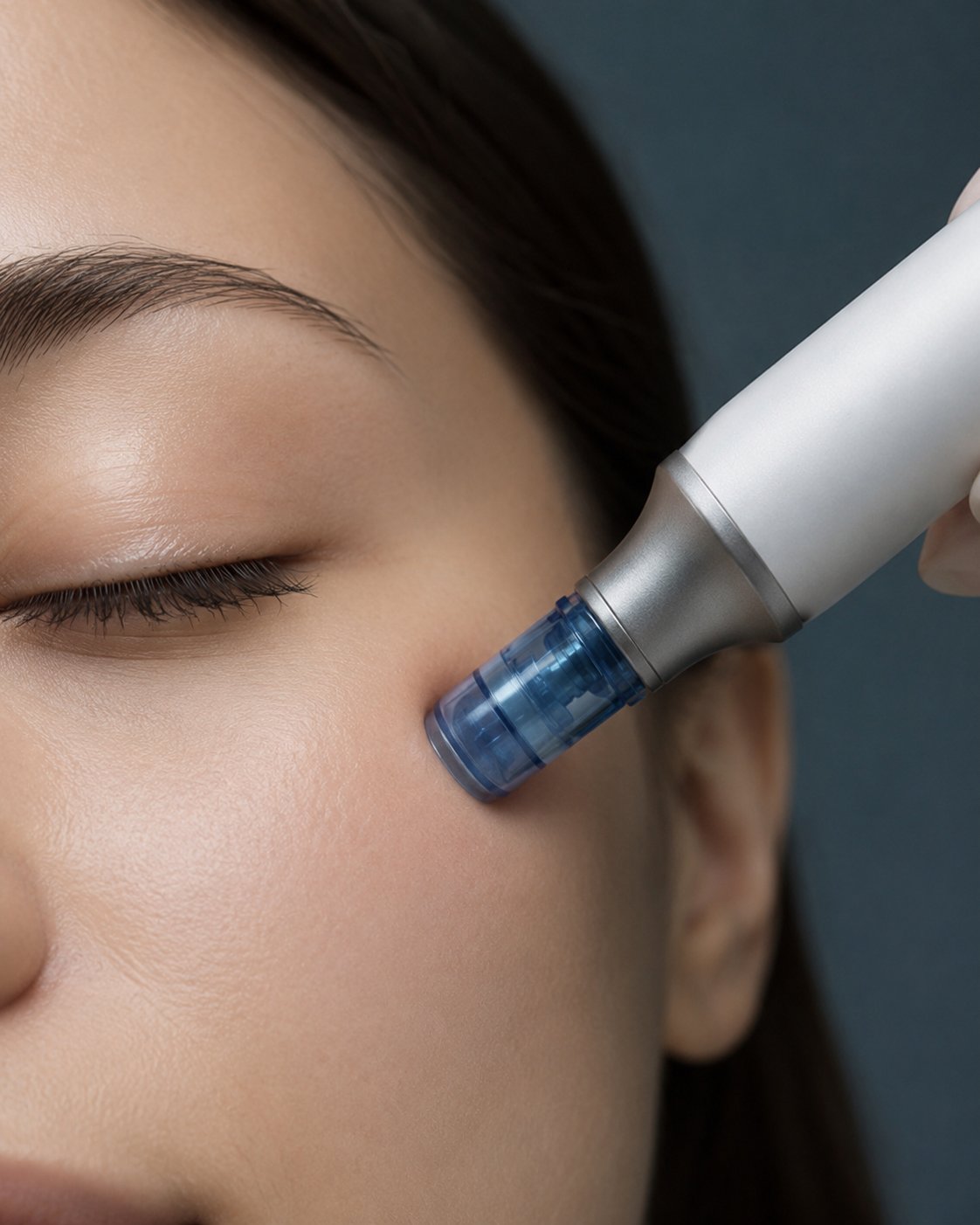
Consider a spring treatment. Gentler UV conditions make spring ideal for procedures that increase photosensitivity. Chemical peels and microneedling work beautifully at this time, setting the stage for luminous summer skin.
Summer: Lighten, Shield, and Repair
Summer brings warmth, humidity, and significantly higher UV exposure. Your seasonal skincare routine needs to prioritise protection above all else.
SPF is non-negotiable. Apply a broad-spectrum SPF 50 every morning and reapply every two hours if you are outdoors. Even on overcast London days, UV levels in summer are high enough to cause cumulative damage. Look for lightweight, non-comedogenic formulations that sit well under makeup or on bare skin.
Switch to lightweight textures. Heavy creams can feel suffocating in humidity and may contribute to breakouts. Oil-free moisturisers, gel textures, and hydrating mists keep skin comfortable without clogging pores. If you use facial oils, reserve them for evening use only, as wearing oils under sunscreen in direct sunlight can increase the risk of irritation.
Introduce antioxidants. A vitamin C serum in the morning provides an additional layer of protection against free radical damage from UV exposure and pollution. Apply it under your SPF for a powerful defence combination.
Post-sun care matters. Calm sun-exposed skin with aloe vera, centella asiatica, or niacinamide-based products in the evening. Avoid retinoids immediately after significant sun exposure, as they can exacerbate sensitivity.
Autumn: Repair, Strengthen, and Prepare
Autumn is widely considered the best season for intensive skincare, and for good reason. UV levels drop, temperatures cool, and the skin can tolerate more potent treatments without the same risk of sun-related complications.
Welcome retinoid season. If you have been considering adding a retinoid to your routine, or paused one over summer, autumn is the ideal time to begin. Start with a low concentration two to three evenings per week, building gradually. Retinoids remain the gold standard for cell turnover, collagen production, and addressing fine lines and uneven tone.
Focus on repair. Summer sun, chlorine, and air conditioning can leave skin dehydrated and uneven. Repair that damage with nourishing serums and barrier-repair moisturisers containing ceramides, peptides, and panthenol.
Book your seasonal treatments. Autumn through early spring is the optimal window for professional treatments that involve controlled skin trauma: microneedling, chemical peels, and laser work all benefit from reduced UV exposure during the healing period. At Éclat & Harmonie Clinic Studio, we see a natural increase in clients booking these treatments in Kentish Town between September and March, and for very good reason.
Transition your moisturiser upwards. As temperatures drop and central heating returns, begin layering hydration again. A hyaluronic acid serum under a medium-weight moisturiser bridges the gap between your summer and winter routines.
When to Book Treatments by Season
Professional aesthetic treatments benefit from seasonal timing:
- Autumn and winter are ideal for microneedling, chemical peels, and treatments that increase photosensitivity
- Spring is excellent for skin boosters and polynucleotides before summer
- Summer suits anti-wrinkle injections, fillers, and gentle facials that do not increase sun sensitivity
- Year-round, treatments such as anti-wrinkle injections and dermal fillers can be performed safely with appropriate aftercare
Build a Routine That Moves With You
The best skincare routine is one that adapts. Paying attention to how your skin feels, not just what the calendar says, is the most reliable guide. If your skin feels tight, add hydration. If it feels congested, lighten up. And if you are unsure where to begin, a professional skin assessment can provide clarity and direction.
At Éclat & Harmonie Clinic Studio, we offer personalised consultations that take the guesswork out of seasonal skincare. Together, we can design a routine and treatment plan that keeps your skin at its best, whatever the weather.
Book your seasonal skin consultation →
All treatments administered by qualified, registered practitioners.